 Skip to content

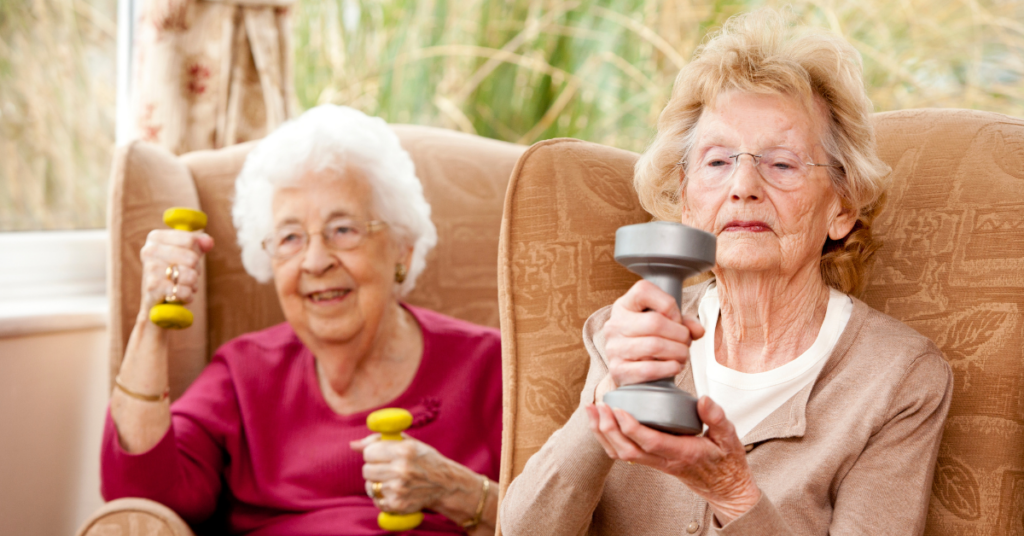
When we talk about impact, it is easy to imagine extreme transformations or instant results. In reality, meaningful change often looks much smaller. It can be as simple as someone standing up from a chair without assistance, walking more confidently down a corridor, or choosing to take part in a session when they may previously have stayed seated. These moments may appear minor at first, but over time they represent something much bigger.
Small Changes, Big Impact
Within adapted physical activity, progress is not about extremes. It is about steady improvements that build confidence, independence, and resilience. A participant who strengthens their balance may reduce their risk of falling. Someone who becomes familiar with a weekly routine may feel more secure and less anxious. These gradual developments form the foundation of long-term wellbeing.
At Siel Bleu, impact is not about dramatic changes or quick transformations. It is often found in the quiet moments of progress that happen over time. It can be seen in regular attendance, growing confidence, and a willingness to take part. When someone begins to feel steadier in their movements or a little more independent in their daily routine, that is meaningful progress. When care staff notice small improvements, such as improved posture or greater ease in walking, it reflects the gentle but important difference consistent support can make.
These improvements also contribute to wider preventative health benefits. Enhanced strength and balance can reduce the likelihood of falls. Greater social interaction can help to combat isolation. Establishing a regular routine can support cognitive engagement and emotional wellbeing. Over time, these steady developments combine to create measurable improvements in overall quality of life.
Measuring Impact in Meaningful Ways
Measuring this type of impact means looking beyond numbers alone. Attendance records, mobility observations, and feedback from care staff all help to build a picture of progress. However, some of the most powerful indicators are the human ones: a participant looking forward to sessions, a willingness to try something new, or a visible sense of pride after completing an activity. These signs may not always appear in statistics, but they represent meaningful change.
Consistency Creates Confidence
Ultimately, impact within adapted physical activity is about consistency, compassion, and recognising potential. It is about understanding that even the smallest improvements can lead to greater independence and confidence over time.
If you would like to see what small changes you can make today to achieve big results, get in touch with us.