 Skip to content

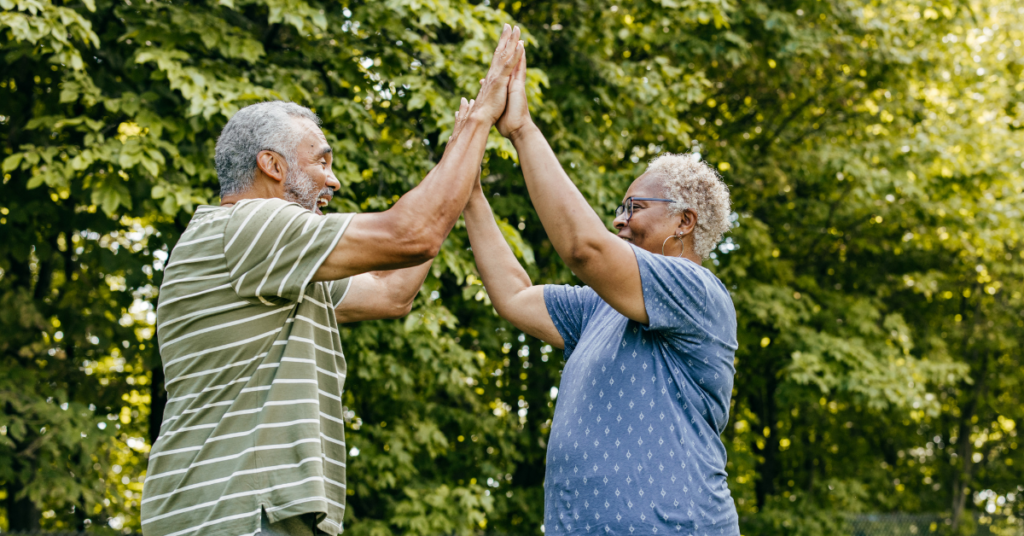
Movement can make a big difference in people’s lives. Being active is not only good for physical health, but it can also help people stay independent, feel more confident, and connect with others. For many people, especially older adults or those living with health conditions, adapted physical activity can play an important role in improving overall wellbeing.
Physical Benefits of Staying Active
Regular movement helps support many areas of physical health. Exercises that focus on strength, balance, and mobility can make everyday activities easier, such as walking, climbing stairs, or completing daily tasks at home. As people get older, these abilities can naturally decrease, which may increase the risk of falls or loss of independence. However, taking part in regular and accessible physical activity can help maintain these skills and improve quality of life.
Why Staying Active Matters
Staying active also has important mental and emotional benefits. Physical activity can improve mood, reduce stress, and help people feel better overall. When individuals feel more confident in their ability to move, they are often more motivated to stay active. Even small improvements in strength or mobility can make a big difference in how someone feels about their health and abilities.
Movement can also bring people together. Taking part in group activity sessions can help reduce feelings of loneliness and encourage social interaction. For many participants, these sessions become something they look forward to each week. They not only benefit from the exercise but also enjoy spending time with others in a friendly and supportive environment.
Adapted physical activity programmes aim to make movement accessible to everyone. People have different abilities, confidence levels, and health needs when it comes to exercise. By adapting activities to suit each individual, everyone can take part at their own pace while still experiencing the benefits of being active.
The Social and Mental Benefits of Activity
Creating a positive and welcoming environment is also very important. When exercise feels enjoyable and inclusive, people are more likely to try new activities and build confidence in their abilities. Over time, movement can become something that motivates people to continue improving their health and wellbeing.
Adapted physical activity is about much more than just exercise. It helps support independence, encourages social connection, and allows people to rediscover the joy of movement. By making activity accessible, inclusive, and enjoyable, it is possible to create positive experiences that support both physical and mental wellbeing, one movement and one smile at a time.
To learn more about our adapted physical activity programmes, visit our website or get in touch with us for further information.