Tag: Siel Bleu Ireland

  • How to safely stay active during winter months

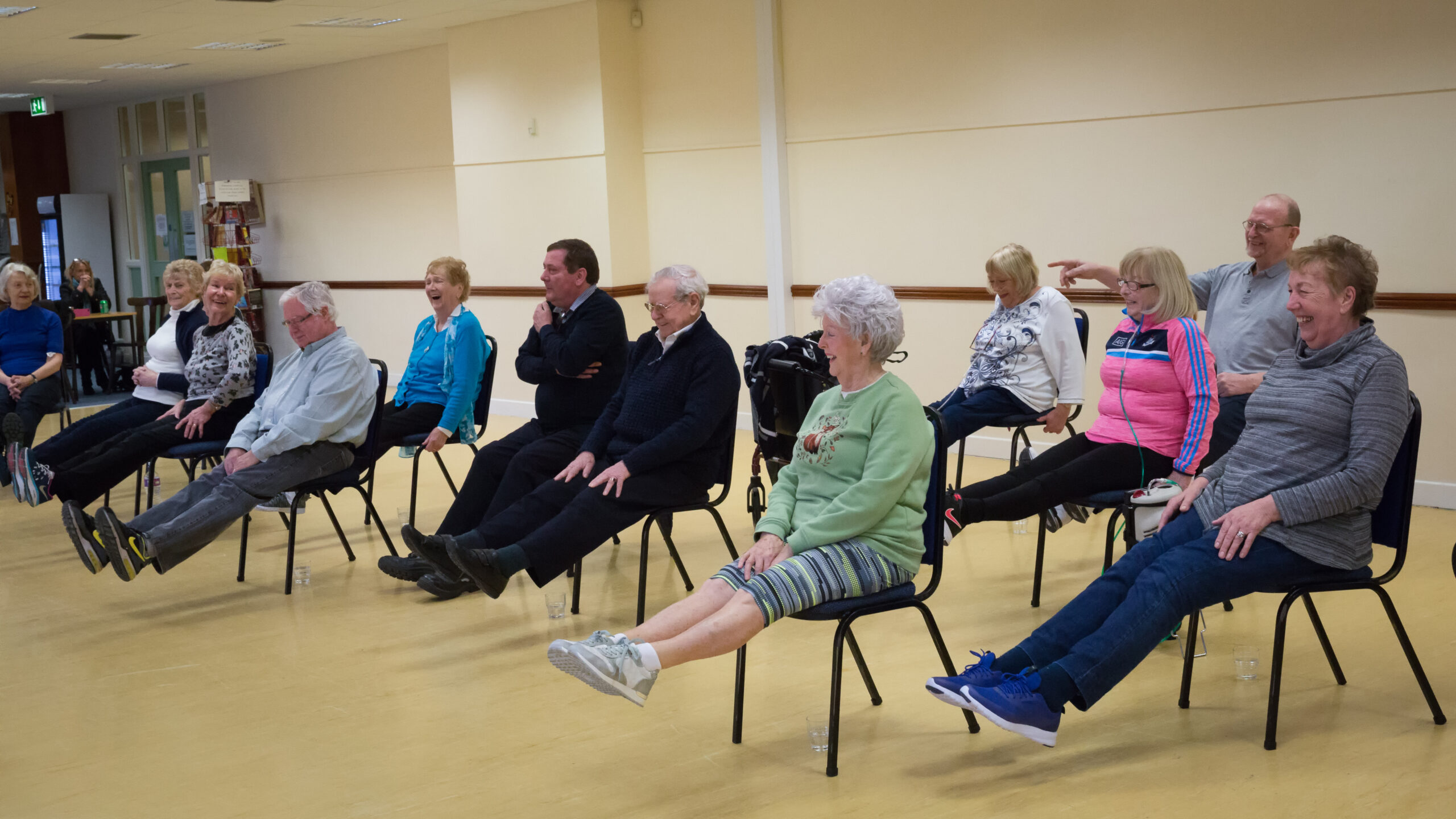
    As the colder and darker months set in, staying active becomes just as crucial as it is in the rest of the year. Regular physical activity during winter isn’t just about fitness; it’s essential for maintaining good physical and emotional well-being. Prolonged inactivity can lead to weight gain, poor sleep, low energy, and even seasonal depression.

    To help you stay on track this winter, we’ve compiled practical tips for exercising safely, whether you prefer outdoor adventures or staying cosy indoors.

    Why Exercise During Winter?

    Winter often tempts us to hibernate, but staying active offers invaluable year-round benefits. Physical activity naturally uplifts our mood by releasing endorphins, which are key to combating the winter blues. If you’re feeling more fatigued yet struggling to fall asleep, regular movement can help regulate sleep cycles disrupted by shorter daylight hours.

    Staying active can also strengthen your immune system, helping you fight off seasonal illnesses such as cold or flu.

    Outdoor Exercise Tips for Winter

    Exercising outdoors can be invigorating, but it’s essential to prioritise safety. Here’s how:

    What to Bring

    • Footwear: Waterproof, well-fitted shoes with good ankle support.
    • Socks: Opt for warm, moisture-wicking socks.
    • Clothing: Wear breathable, layered clothing and rainproof outerwear.
    • Essentials: Carry a fully charged phone, snacks, and water.

    Safety Tips

    • Check the weather: Plan your activities based on the forecast.
    • Inform someone: Let friends or family know your route and estimated return time.
    • Stay visible: Wear reflective clothing and carry a flashlight if exercising in low light.
    • Warm up first: A proper warm-up helps prevent injuries in cold weather.
    • Avoid risks: Steer clear of icy paths, slippery surfaces, and poorly lit areas.
    • Bring a buddy: Exercising with a friend adds safety and motivation.

    Explore Your Community

    Indoor Exercise Options

    If braving the cold isn’t for you, indoor exercises are also an excellent way to stay active. At Siel Bleu Ireland, our Siel Bleu At Home programme offers a variety of pre-recorded online sessions, accessible anytime, 24/7, to fit your schedule and keep you moving.

    You can also join 11 live sessions each week, running Monday to Friday, to stay engaged and connected.

    Stay Safe and Have Fun

    Before starting any new exercise routine, consult your GP to ensure it’s appropriate for you. Aim for 150 minutes of moderate physical activity per week and choose activities you enjoy, because having fun is just as important as staying fit!

    This winter, don’t let the cold slow you down. Whether you’re walking in your neighbourhood, joining a local class, or following an at-home routine, staying active is your key to a healthier, happier season.

  • Functional Resistance Training: Partial Squat

    Functional Resistance Training: Partial Squat

    We are now on the third episode of our Functional Resistance Exercises series and we will be discussing the Partial Squat. If you haven’t already, please read through our previous two posts on Shoulder Retraction and The Bridge exercises.

    Partial Squat

    This is the one exercise that we use daily in our lives, whether it is to sit down on a couch to watch our favourite show, or to sit down to have a cup of tea and a few biscuits, or doing other tasks such as using the toilet, standing up on a bus etc. Being able to squat down and up has a huge impact on improving our dependency and quality and enjoyment of life. Performing this exercise daily will have positive impacts on balance and posture, therefore reducing the risk of falling, which in turn builds confidence while standing and walking.

    How to perform the Partial Squat

    Stand with the feet shoulder-width apart with a chair placed behind, and a table or chair in front for balance. Push the hips back and bend the knees to descend slowly, keeping an upright posture. Based on ability, bend 20-30° or ¼ of the way. Pause for 2 to 3 seconds and return to the starting position.

    Progressions:

    Level 1: Perform the exercise as described above and focus on the posture throughout the movement.


    Level 2: Same exercise without the use of a chair for balance and support.

    Level 3: Holding weights (dumbbells) in each hand can further increase difficulty.


    The Information in the above blog has been adopted from Roetert & Ortega (2019) “Physical Literacy for the Older Adult” published in the Strength & Conditioning Journal

  • Health and Social Care Professionals Day: Meet Our Trainers!

    Health and Social Care Professionals Day: Meet Our Trainers!

    March 4 is Health & Social Care Professionals Day! On this day, make sure you thank your local health and social care professionals for all the hard work they do helping people and the communities they live in. 

    To celebrate, we interviewed two members of our Siel Bleu Ireland staff, Aisling Warburton and Matt Naumczyk, about their experiences working at our organisation. Matt is a recently employed Physical Trainer in South Dublin, having just started a month ago, while Aisling who is based in the midlands will be completing her fourth year in April. Both are dedicated Physical Trainers who are fantastic at their job and we are very grateful to have them as part of our Siel Bleu Ireland team! 

    How did you come to work for Siel Bleu Ireland?

    Matt: Seeing the job offer for the position of physical trainer, and then going through the website. I liked the way that Siel Bleu has the people actually improve their lives and their quality, with the movements and their health and all the things around that. That was something I wanted to do for a long time, so I just applied for it straight away and I got it. 

    Aisling: I studied health science and promotion in college, so from that I knew I wanted to work in the area of physical activity and health promotion. But I didn’t want to do your general exercise class … by trying out different modules in college, I was interested in working with people with disabilities or chronic conditions or older adults. What you bring to the residents of nursing homes or people with chronic conditions was more rewarding.

    What classes do you teach?

    Matt: Pretty much a mixture of everything, but mostly nursing home programmes, the Exercise, COPD & Me programme and community groups. 

    Aisling: When I first started I was based in nursing homes, but now I have nursing homes, Exercise, COPD & Me groups, stroke support groups with the Irish Heart Foundation and active ageing community groups as well. 

    What would you say is your favourite part of the job?

    Matt: Just meeting new people and having a laugh, the craic. … It’s really enjoyable when you’re going through the community groups and you have the chance to have a laugh while you’re exercising and moving. So just the connection with people, the laughs and the banter. 

    Aisling: With my COPD and stroke support groups, I know that sometimes the class may be their only outing for the week. So it’s going to the group knowing that they look forward to it each week and they enjoy getting their exercise, as well as the different games and competitions. 

    Which exercises do you enjoy teaching the most?

    Matt: Probably the one to one’s. I try to add things in that would be useful for people but they may not have known it. For the community groups, for example, I’ve started lifting one leg and passing a ball around, which challenges your balance. … If you don’t have balance, you have a higher risk of falling — so it’s fun while you’re doing it, but it’s actually helping participants. I like the equipment as well. I suppose I don’t really have a favourite one; they all fit in somewhere. 

    Aisling: For me I suppose it varies from group to group. What I do for one group, I may have to change for another group. But it’s nice to push the group and get them up and doing things they think they can’t do, … seeing how happy they can be from doing those different movements and tasks again.

    Do you have a particularly memorable story from your time working with Siel Bleu so far?

    Matt: Probably the first day. … I got welcomed right from the front door, we had a laugh and that’s my first memory. Something fun happens pretty much every week at one of the classes — with the nursing homes, there’s always something — but the most memorable one so far was my first ever class and having a laugh.

    Aisling: Just this past month, I had a man who was very sick prior to Christmas and he found it really difficult to come back out and get into routine. … But when he came back into the group, he said he was better than ever after attending a doctor’s appointment, and he felt so good being back.

    What do you think makes Siel Bleu Ireland the organisation that it is?

    Matt: I think it’s the trainers and their willingness to help. … They always say “if you need any help, just drop a message.” They actually do mean it, because I’ve dropped others a message a few times they’ve always gotten back to me straight away with any questions or any tips. So I think it’s the people — and the culture around it as well, like the classes having a laugh and having communication with the people teaching. I think that, the people, is the most important thing.

    Aisling: Even though we’re bringing exercise classes to different groups, it’s also the social factor and building a relationship with participants. So we’re not going in and just putting them through the paces for an exercise class, we know the people in the group individually and we can relate to them and build a relationship. As I’m well aware, most trainers know each client by name, and I think that it’s important to have that relationship and work alongside them, rather than just going in and telling the person what to do.

    What would you say or what advice would you give to someone who is thinking about becoming a trainer at Siel Bleu Ireland?

    Matt: Just stay positive, keep smiling. … Sometimes if you’re working at a nursing home, you realise the kind of people there aren’t able to do some stuff. For your needs, once you’re out, just do something to get your mind off of it. And when you come back the next day, focus on class again. … Be the guy that they actually look forward to seeing each week, not the guy that they’re like “ugh, not him again,”. 

    Aisling: I’d say it’s so enjoyable and rewarding. Every group varies, so what you do one day versus what you do an hour later with a different group, or from week to week, is always changing. It’s really rewarding and you just have to be able to build a relationship and get to know the group personally.

  • No Smoking Day & COPD

    No Smoking Day & COPD

    Today, February 26, is National No Smoking Day! 

    While on No Smoking Day we should be keeping in mind smoking’s impact on ourselves and those around us, one ramification of smoking stands out in particular: chronic obstructive pulmonary disease, or COPD. Being one of the most common respiratory diseases in Ireland, with over 110,000 people diagnosed, and 500,000 who are thought to be living with the disease but not yet diagnosed, its impact on us and the people we know throughout Ireland is well felt. Given how common it is today, it is perhaps more important than ever for people to have an understanding of the disease, what causes it and how it can be treated.  

    COPD is actually the name for a collection of lung diseases, including but not limited to chronic bronchitis, emphysema, and chronic obstructive airways disease. The disease causes people to have trouble breathing in and out, which is medically referred to as an airflow obstruction, as well as the lungs becoming inflamed and eventually changing permanently. In response to inflammation, the airway walls will thicken and the body will produce more mucus, causing the lungs to lose their normal elasticity. COPD can actually be caused by a number of different ways, however, smoking is its predominant cause. 4 in 5 people diagnosed with COPD are or were smokers, and about 25% of smokers end up developing COPD at some point during their lives, typically after reaching age 35. 

    The changes made to the lungs after contracting COPD are permanent, however, there are lifestyle changes people can make to lessen and relieve their symptoms. According to the Health Service Executive, one of the main lifestyle changes that helps people living with COPD is exercise. Staying active can help stop the regression of lung function, as well as maintain the function people with COPD may already have. This is why we at Siel Bleu Ireland offer exercise classes designed for people living with COPD nearly all around the country, and we are expanding on the areas we offer them in all the time. 

    Our trainers have reported seeing improvements in many of their classes’ participants, many of their lives becoming easier as they regain their ability to do average day-to-day functions even when living with COPD. The exercises they use are strength-based, building up participants’ endurance with using weights and their own bodyweight, and participants are kept as active as possible through walking and otherwise moving around. These exercises help combat the struggles COPD may cause while facing daily challenges, such as becoming breathless while walking to the shop or up a flight of stairs. Our participants have reported their lungs and airways feeling overall clearer after taking our classes, and this has helped them go about their normal lives with more confidence, even pushing themselves to go on excursions they previously thought impossible while living with COPD. 


    Our objective at Siel Bleu Ireland with Exercise, COPD & Me is to increase those living with its physical capacity, decreasing anxiety related to breathlessness and increasing individuals’ independence. These factors greatly improve one’s quality of life, which is why we encourage anyone living with COPD to take this sort of class. If you or anyone you know is living with COPD and  seeking to improve their condition, please do not hesitate to reach out to Siel Bleu Ireland and find a class local to you!

    ***Disclaimer: The information in this post is for reference only and is not intended to be a substitute for medical expertise or advice. If you have any concerns about your own or another’s health, then please contact your doctor.

  • The Loneliest Time of the Year

    The Loneliest Time of the Year


    It’s beginning to look a lot like Christmas, everywhere you go. But, it’s important to remember that even though the holidays are a time of great joy, they can also be a time where many older adults feel socially isolated. A recent report states that over 1.5 million older adults find Christmas time to be the loneliest time of the year. It is especially important in Ireland to reach out to older adults during this time because one third of older adults over the age of 65 live alone and 60% of 80 years or older do too.  


    Although social isolation is not seen as the most pressing matter of health issues, it can have a significant effect on a person. The negative impact that it has can be as unhealthy as smoking 15 cigarettes a day. Research has linked social isolation and loneliness with many physical and mental conditions. These conditions include: high blood pressure, heart disease, obesity, a weakened immune system, anxiety, depression, cognitive decline, and Alzheimer’s disease.   


    Christmas, Siel Bleu, Loneliness, Siel Bleu Ireland, Social Isolation


    Individuals can combat this loneliness in multiple ways: 

    -Volunteering.

    Nonprofit organizations are always looking for people to help serve meals, care for animals or reading with kids.

    – Making use of the resources your community has to offer.

    Recreation centers, libraries, museums, places of worship and colleges host free and low-cost community events.

    -Reconnect with friends and family.

    Give a call to a loved one and meet up for a holiday celebration. 

    -Talk to your doctor.

    A geriatrician can connect older adults with other resources and potential treatments that they may need. 

    Be sure to spread joy this Christmas season!

    ***Disclaimer: The information in this post is for reference only and is not intended to be a substitute for medical expertise or advice. If you have any concerns about your own or another’s health, then please contact your doctor.


    Sources:

    https://alone.ie/tag/older-people/https://www.newswise.com/articles/avoiding-social-isolation-in-older-adults-over-the-holidayshttps://www.independent.co.uk/life-style/christmas-lonely-elderly-people-widows-age-uk-a9230976.htmlhttps://www.nia.nih.gov/news/social-isolation-loneliness-older-people-pose-health-risks

  • How to Combat Sleep Disorders

    How to Combat Sleep Disorders

    Sleep is a vital aspect of leading a healthy life. Unfortunately, older adults do not always have the easiest time with having a full, peaceful night’s rest. The lack of sleep older adults experience may be due to a particular health issue, a medication they are taking, or possibly because they are anxious about ageing. Sleep disorders such as sleep apnea, insomnia, and snoring are very common among older adults and drastically interrupt the suggested seven to eight hours of sleep a night. 


    How can older adults take back their restful night’s sleep? 

    Here are some tips that may help: 

    1.Set a schedule. 

    Set an hour that you wake up every morning, eats meals, and go to bed.

    2. Exercise. 

    Commit to exercising 150 minutes a week. Check with your doctor to see what the intensity of your workout should be. Note that exercising in the earlier half of the day will be more beneficial because exercising at night may keep you up later.  

    3. Keep cool. 

    For the best sleep possible, keep your bedroom temperature on the cooler side. 

    4. Have a before bedtime routine. 

    Set a routine that relaxes you, such as reading or meditating. 

    5. Don’t try too hard to fall asleep. 

    If you are unable to fall asleep within 15 minutes, get out of bed and walk to another room to read or mediate for a little bit and try falling asleep again after that. However, do not turn on the tv or go on your computer. 

    6. Talk to your doctor. 

    Tell your doctor about your lack of sleep and perhaps he or she will inform it is a side effect of your medicine or a medical issue. 


    ***Disclaimer: The information in this post is for reference only and is not intended to be a substitute for medical expertise or advice. If you have any concerns about your own or another’s health then please contact your doctor. 


    Sources:

    http://sleepeducation.org/news/2013/08/07/sleep-and-growing-older

    https://www.webmd.com/sleep-disorders/features/do-seniors-need-less-sleep#2

    Sleep Changes in Older Adults

  • Participant Spotlight: Noleen

    Participant Spotlight: Noleen

    Our participants and their experiences with the classes are of the utmost most importance to our team at Siel Bleu Ireland. It is for this reason we like to check in with the particpants to make sure they are getting the most out of our programmes and to hear their stories. Today, we’ll be sharing an interview with Noleen. From mother, to lollipop lady, to getting her Ph.D in philosophy, Noleen really has done it all. The regular at the Greystones Fall Prevention class sat down to talk with us about her thoughts on the Siel Bleu Ireland class.

    How long have you been coming to the class?

    I’ve been coming, I think, maybe 2 years. 2.5 years maybe. I started in- it might be September 12 months ago or 2 septembers. Time is irrelevant at my age!

    How did you find out about the class?

    It was in the In Wicklow Magazine. And it was the first thing I had joined. I only came out here about 4 years ago. And so my daughter kept saying “oh did you do this, and did you do that” and I had done nothing. So I saw that in the magazine and said “that’s it” (claps). 

    Where did you come from?

    I came from Dun Laoghaire. A big change and a wonderful experience. 


    Interview, Spotlight, Participant Spotlight, Siel Bleu Ireland

    Did you have any physical health issues before starting the class?

    Well talking about standing up and sitting down, I had developed a “Oh god” (mimics difficulty standing up with a groan) every time I got up. It was nearly- you know when something hurts and you nurse it? And then when all different places hurt… Almost everywhere hurt. So I had slowed down to be an old woman you know, and getting out of a chair and going down the stairs- that was what made me move, coming down the stairs was… I’m thinking “If I fall here, I could be down for days”. So that’s really it. But it’s made a wonderful difference to the way I move. And my daughter now has sent me to extra classes. I would never have been able to go there if I hadn’t come here first. And I keep recommending them to people! I have someone who’s coming next week!

    What’s your favorite exercise to do?

    Well I love- well we all love the games! We’re like kids! It’s great fun. And then there are different things, we didn’t do it today because there were so many, but we do balancing at the chair and you know standing. You know, we all find that difficult to some degree. That game is great fun but, actually, you know the one that really struck me at the start was getting up and down out of the chair because I couldn’t do that. 

    Can you now?

    Oh yeah. (demonstrates) I can do squats now! That was last year’s trick. I’m gonna have to develop another one this year! 

    How do you feel about the trainer, Margueritte?

    Margueritte is super. She really is. She knows everything about what she’s doing. She’s not sort of sharing with you all the time. She just says “you feel it here”. She’s not talking about your glutes and your quads. And she also, she has a very sympathetic personality. And she’s good fun! She can take a joke. But she is good. And, you know, she says, if it hurts, don’t do it. Which of course, other people keep saying “come on, come on! Get those knees higher.” But, I think she’s really good. She knows her stuff as well. She’s good fun and she’s sympathetic at the same time. She’s not one to say, “C’mon, you’re too old to do that”. I think she has a very good personality for this type of work.


  • Tips for Positive Ageing

    Tips for Positive Ageing

    Siel Bleu Ireland’s trainer, Shane Lee, gives us 10 tips for ageing well in order to have great mental and physical health. Read about the tips below and try to implement them in your everyday life for the best results! 

    • Move

    Before thinking about a specific exercise routine, simply get up and move more. Do the things you enjoy, whether it’s walking, gardening or anything else that gets you up and moving. The couch may be the most dangerous item in the house!


    • Exercise

    Think of exercise as the world’s best drug to help you to retain your health and independence. Exercise helps to maintain bone density, prevent muscle loss and potentially reduce the risk of falls. There is no right or wrong exercise but maintaining strength and balance are particularly important for older adults. Why not try one of Siel Bleu’s Strength and Balance programmes?


    • Include Resistance (strength) Training

    Walking is great, but it may not be enough. Muscle wastage and loss of bone density (osteoporosis) may result in falls and ultimately loss of independence. You don’t need any special equipment for strength training – try using filled water bottles instead of buying weights.


    • Stay Connected

    Being socially isolated can damage our psychological health; as we age it’s important to have a good support network. Apart from the obvious link with depression, studies indicate there is a correlation between lack of social engagement and the risk of developing heart disease and other illnesses, so the message is: make the effort to get out and about and socialise!


    • Work Your Brain

    The brain will only stop learning if you stop challenging it. Like any other part of the body your brain needs stimulation. Try learning a new skill like taking up a new language. This can be just as important as the physical stimulation of exercise!


    • Sleep

    Don’t retire your body from routine and the restorative power of sleep! The body likes routine, so try to go to bed and get up at the same time every day. Think of sleep as your body’s chance to recharge and repair; without a full charge, it won’t run optimally. 

    • Nutrition

    Are you still consuming the same amount of food despite being less active? Or have you lost your appetite? Whichever is the case, try to follow a balanced and varied diet that includes fresh fruit and vegetables and some protein rich food for healthy muscles and bones. Dairy, healthy oils and whole grain foods all provide essential nutrients and minerals.

    • Set Goals

    Setting goals can be hugely motivational. Start your day with 3 small goals, such as climbing your stairs 10 times, and set one bigger goal for the week, such as completing a walk in the local park. Goals will give you accountability and allow you to measure progress. Plus, their completion will leave you feeling good about yourself!


    • Appropriate Activity

    I still meet people who are too cautious to take any exercise. We must be mindful of medical advice, but don’t accept being told to quietly sit down and do nothing. There is a level of physical activity out there for everyone, whatever their age or ability – focus on what you can do, not what you cannot do.


    • Manage Pain

    Pain isn’t a normal part of ageing or something you should have to endure. If something isn’t right with your body, fix it. Doctors, physiotherapists and other health professionals are there to help so consult them.


    ***Disclaimer: The information in this post is for reference only and is not intended to be a substitute for medical expertise or advice. If you have any concerns about your own or another’s health then please contact your doctor. 

  • Breast Cancer Awareness Month

    Breast Cancer Awareness Month

    Why is exercise so important for breast cancer survivors?

    October is Breast Cancer Awareness month and we want you and your loved ones to be breast aware. Breast cancer is the second most common cancer in women in Ireland, after skin cancer. It also has one of the highest rates of fatalities caused by cancer in women, second to lung cancer. Every year there are around 3,244 cases diagnosed in Ireland and 723 women die from the disease. For further break down, 1 in 9 Irish women will develop breast cancer and 1 in 1000 Irish males in their lifetimes. 


    Most of the women diagnosed with breast cancer are over 50 years old. However, one can be diagnosed at a younger age. In fact, 15% of women that are diagnosed are between 20 and 40 years old. Another 49% are diagnosed between 45-65 years old. The remaining 36% are diagnosed over the age of 65. It is important that you encourage the woman in your life to be aware of changes in their breasts and get mammograms as frequently as their doctors suggest. 


    The awareness of breast cancer and breast screenings in Ireland during recent years has increased the survival rate to 85% and decreased the mortality rate of breast cancer patients by 2%. These numbers are improvements from the past, but can be better. In combination with breast screenings and awareness, one can reduce the risk of developing breast cancer by diet, exercise, and control of alcohol consumption. Specifically, many studies have shown that an increase in exercising decreases one’s risk of developing breast cancer.  


    It is important that you and your loved ones take preventative action, but it is also important to support others and take care of yourself if you are diagnosed with breast cancer. Simple things, such as offering a humorous distraction or letting them know you are there for them, can help immensely.


    After women have finished treatment, it is essential that they are active in keeping the cancer away. The American Cancer Society recognises physical activity is vital to breast cancer survivors as increased activity can reduce cancer reoccurrence rates as well as increase survival rates. The American College of Sports Medicine researched the connection between breast cancer and exercise, and concluded that exercise is safe during and after all breast cancer treatments. However, one must take any needed precautions and keep the intensity low for practicing safety is necessary. The exercises you did prior to being diagnosed may not be the ones you should be doing post-treatment. The many benefits of exercise are improvements of physical functioning, quality of life, and cancer-related fatigue and depression. It also helps to strengthen muscles, lessens the risk bones will weaken, controls weight, and improves balance. Nutrition is also a huge component of feeling better after treatment. Proper eating habits have been shown to positively impact survivor’s health and improve their quality of life. 


    Here at Siel Bleu, we are aware of the benefits exercise can provide for survivors. This is why we developed the 14-week Empower! Programme. It was designed in partnership with the Irish Cancer Society and funded by Nutricia. It includes exercise and nutritional workshops to keep women fit after they’ve finished breast cancer treatment. The programme is being piloted in Dublin-South, Dublin-West, Kildare and Wicklow. We hope to have the results of the programme around January and look forward to sharing them with you!  


    ***Disclaimer: The information in this post is for reference only and is not intended to be a substitute for medical expertise or advice. If you have any concerns about your own or another’s health then please contact your doctor. 


    Sources:

    https://www.drinkaware.ie/latest/breast-cancer-awareness-month-2019-take-action-to-reduce-cancer-risk gclid=Cj0KCQjwl8XtBRDAARIsAKfwtxCs05mZkcyrDjtHamyg19MxGTk9wy6WWVC0oARmHVzgoryluDI8VSIaAknuEALw_wcB

    Facts and Figures

    https://www.cancer.org/latest-news/get-moving-to-help-reduce-your-risk-of-breast-cancer.html

    https://breastcancernow.org/information-support/facing-breast-cancer/living-beyond-breast-cancer/your-body/exercise-breast-cancer

    https://www.breastcancer.org/tips/exercise

  • How Often Should You Be Exercising Weekly?

    How Often Should You Be Exercising Weekly?


    Do you ever wonder how often you should be exercising? Do you feel as though you could be doing more? 


    The verdict is out for how much older adults aged 65 and older should be exercising a week. You should be aiming to accomplish 2 hour and 30 minutes of moderate aerobic activity weekly. Although this may seem intimidating, it is important to keep in mind that there are 168 hours in just one week. Therefore, these exercises can be divided into about 20 minutes a day 7 days a week, 30 minutes a day 5 days a week, or 50 minutes a day 3 days a week. Moderate aerobic exercises include activities such as pushing a lawn mower, cycling and most commonly used, walking. So you may already be exercising without realizing it! However, if you feel as though you can partake in vigorous aerobic exercise, such as running, an hour and 15 minutes weekly will yield the same benefits.


    In combination with the aerobic activities you choose, it is important to work on strengthening major muscles as well. The major muscles include legs, hips, back, abdomen, chest, shoulders and arms. Through strengthening exercises you can build and maintain strong bones, regulate blood sugar and blood pressure, and maintain a healthy weight. Your strength exercises should be done at least 2 times a week, but can be done more. However, strength training doesn’t need to mean just lifting weights! Alternatives can be as simple as carrying heavy loads of groceries, gardening or yoga. 


    Lastly, you should set aside time on 3 or more days a week to practice balancing. These balance exercises include activities such as holding onto a chair and trying to balance for 10 seconds on one foot. 


    Please note that you should only partake in exercises that suit you and you feel comfortable doing. Also note, the exercises should not be done in one large segment, but instead can be broken down to make the numbers less intimidating and more manageable.

    ***Disclaimer: The information in this post is for reference only and is not intended to be a substitute for medical expertise or advice. If you have any concerns about your own or another’s health then please contact your doctor. 

    Sources

    https://www.todaysgeriatricmedicine.com/news/ex_092210_03.shtml

    https://www.nhs.uk/live-well/exercise/physical-activity-guidelines-older-adults/#what-activities-strengthen-muscles

    https://www.heart.org/en/healthy-living/fitness/fitness-basics/balance-exercise

    http://www.allwayshomecare.org/best-exercises-older-adults/