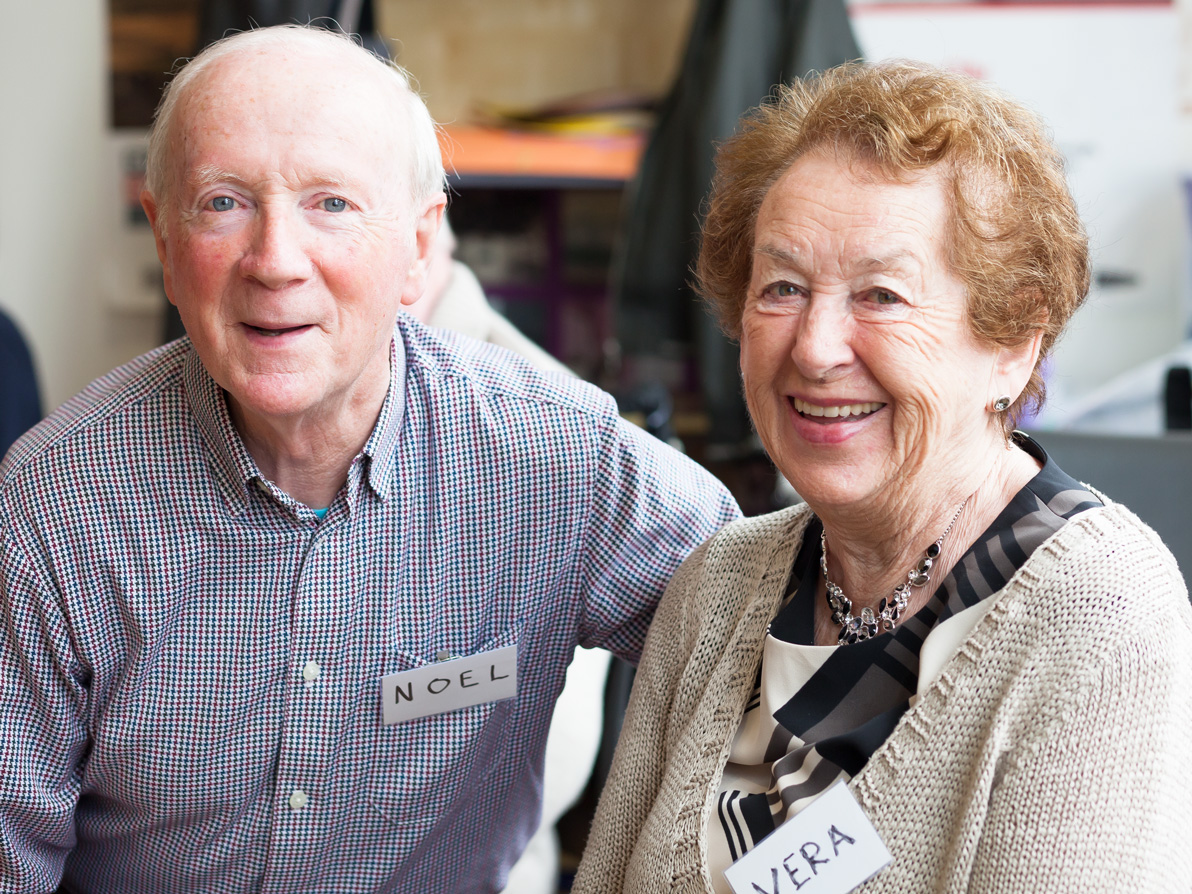
Tag: Elderly activity

  • Maintaining Independence Through Exercise

    Maintaining Independence Through Exercise

    When we are younger, we are dependent on our family, teachers, and peers. During that period, we dream of the days of becoming independent, and being able to be on our own.  After that day finally comes, we think we will never lose it and we can stay that way forever. Unfortunately, as we age it becomes more difficult to maintain our independence. A high percentage of people can end up in assisted living, nursing homes, or completely wheelchair bound. Yet, what if there was a way to stay independent longer? Through exercise, and staying active, it has been shown that older adults are capable of keeping their abilities for a prolonged period of time.

    Independence can be defined as the ability to perform basic activities of daily living without help, such as walking, eating, bathing/showering, dressing, getting in and out of bed, and using the toilet. Walking without assistance is probably the one that most determines if a person can live independently. Older people who are physically more active and who exercise frequently are more likely to walk independently and do other activities of daily living on their own, compared to sedentary elders. The reason why walking is a determining factor is due to the risk of falling.

    Falls are the third leading cause of chronic disability, and the number one injury among seniors. However, it has been shown that elderly adults who perform regular exercise have increased balance, stability, and strength. Also, in the event of a fall, those who are continuously active have been shown to have improved healing and function.

    Health is defined as the state of being free from illness, or injury. According to the National Institute of Ageing, exercising as a senior may delay or even prevent diseases like diabetes, cancer, stroke, heart disease and osteoporosis, just to name a few. This means less hospital stays, fewer days of being bed ridden, and preserving your strength.

    To demonstrate this further, they took a survey of close to 3,000 participants who were older than 60 years old. Through this, they found that those who participated in continuous physical activity were associated with lower levels of activities of daily living dependency (ACL). Likewise it was revealed that  for elderly patients who already have some functional limitations, even a low level of physical activity is essential as is slows further decline in physical functioning.

    Being independent is not only having the capability to perform basic actions, but having the ability to live your life to the fullest. It’s about playing with your grandchildren, going out for walks with friends, or taking a holiday without barriers or obstacles. Dr. Nick Cavill, a health promotion consultant, conveys, “As people get older, their bodies decline in function and physical activity helps to slow that decline,” he goes on to say, “If you want to stay pain-free, reduce your risk of mental illness, and be able to go out, and stay independent well into old age, you’re advised to keep moving.”

    All things considered, exercise is the easiest, and most cost effective way to maintain independence into our older years. We cannot not let our lack of activity, lead to our loss of independence. Remember, we do not have control over our age but, we do have control over how we age.

    For more information on the classes we provide, please check out: https://www.sielbleu.ie/home/programmes/


    Sources: 

    https://www.gmjournal.co.uk/media/21715/oct2010p539.pdf

    https://www.asccare.com/importance-exercise-seniors/

    https://www.nhs.uk/live-well/exercise/exercise-as-you-get-older/

    https://www.cdc.gov/nccdphp/sgr/olderad.htm
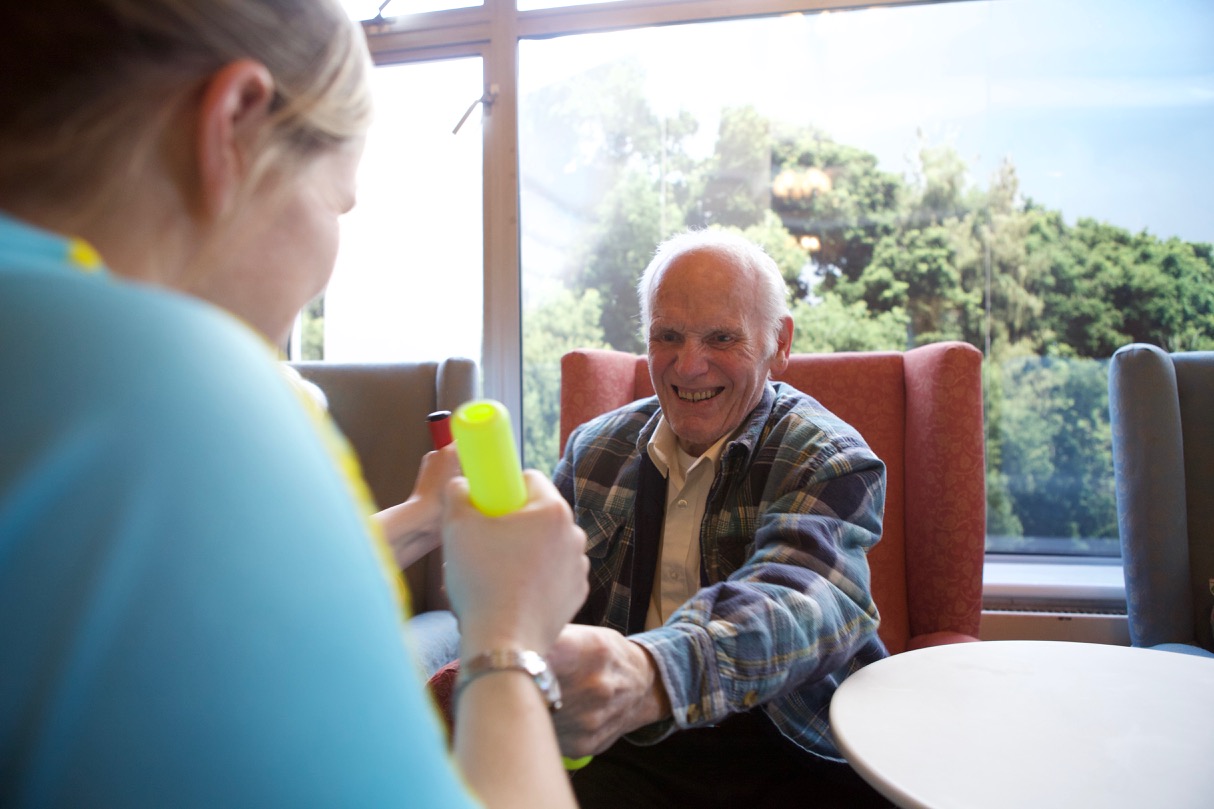
    https://www.health.harvard.edu/blog/walking-exercise-helps-seniors-stay-mobile-independent-201405287173


  • Keeping Your Confidence

    Keeping Your Confidence

    Stay and Boost Confidence in Yourself

    Gaining confidence is like a rollercoaster throughout our lives. Usually, it starts off a bit low but then as we start getting older it reaches its peak. Around the age of 55 to 65 is when we are the most confident in ourselves. However, around the age of retirement, our confidence can start to decline. To keep self-esteem high requires constant attention and motivation. This does not change when we age. We have a few ways to help older adults’ confidence.

    WAYS TO KEEP YOUR CONFIDENCE:

    Hang Out with Friends or Your Furry Friends

    We have talked about the numerous benefits of having a friend (it can be a furry friend). But did you know that having someone to spend time with can boost your self-esteem? Loneliness is a common symptom of ageing. We recently wrote a blog post on how to combat loneliness. Nevertheless, exercising with other people is just one way to decrease the feeling of loneliness, you can also try setting up and weekly stop at a café with a friend or just seeing friends throughout the week can help increase your confidence.

    Take Care of Yourself

    Unsurprisingly taking care of yourself can help older adults’ confidence. If you feel good about yourself, you will increase your self-esteem and confidence. There is more to taking care of yourself than exercise. Good hygiene, a healthy diet and regular consistent exercise all contribute to your overall health. Find something that you enjoy doing regularly that has some exercise aspect to it and you will find it much easier to take care of yourself.

    Learn Something New

    No one wants to live a boring life. Staying active and interested in the world we live can add to our lives. Make it a goal every day to learn or try something new every day. It can be as simple as trying new food, walking a different route or reading a new book.

    Ignore The Negative Stereotypes

    People are always telling older adults what they can and cannot do. You know what you are capable of, so listen to yourself and your body. If you feel like you are up for a harder workout try it if you feel like you are a bit sorer and stiffer than normal take it easy. You know what is best for you so kick those stereotypes to the curb. If you believe in yourself that’s all that matter, you will see your self-confidence skyrocket.

    Self-esteem and self-confidence and hard to keep high. With a good support system around you, taking care of yourself, always trying to push yourself and squashing stereotypes you will find your self-confidence to stay high.

  • Why We All Need to Improve Our Posture

    Why We All Need to Improve Our Posture

    Back pain? It’s probably from your posture!

    Good posture is something we were always told to have as children and for good reason. Good posture keeps your body functioning in the correct way. With good postures comes well-balanced muscles and can help you prevent injuries. Due to our sedentary lifestyle, it is almost impossible to always have good posture. With that being said there are ways we can try and better our posture. For older adults to have good posture it can help with chronic back pain and other aches and pains.

    For seniors, the largest cause of poor posture is physical inactivity. Injuries and falls also contribute to bad posture, due to the body trying to overcompensate and fix the injury but maybe in an incorrect way. Another issue is chronic pain. Arthritis and similar conditions can deter people from exercising. However, even with a chronic condition exercise can help with relieving pain.

    Every muscle in our body has an effect on each other. When we hurt a muscle, the other muscles try and take the pressure off the injured area, this can cause other muscles to become fatigued. This is the case with most people’s lower back pain. Bad posture is what causes most of our back pain. Slouching in a chair is one of the worst things to do for back pain. The position can cause unnecessary and excessive pressure on joints and muscles. It may feel like it revives pressure at that moment, but it is doing more harm than good. If you are watching TV or using a computer, try to always be aware of your posture.

    To help improve your posture and decrease back pain, participate in balancing programs that will increase your stability. The best exercising in a balance class include forms of strength and flexibility training. Another way to test your posture is to look at the chair you sit in. You want to have a chair that decreases the urge to slouch. If your chair encourages bad posture, maybe look into a more supportive chair.

    The best thing you can do to help improve your posture is to stand up and move around several times a day. Try light stretching at least once a day to keep your back and other muscles loose. It is extremely important for older adults to have good posture. Attaining good posture can be a long process, but the health benefits are worth the time and effort.

  • There Are Other Ways to Exercise Than Going to a Gym

    There Are Other Ways to Exercise Than Going to a Gym

    It’s OK to Not Want to Go A Traditional Gym

    When people say “just go to a gym and start exercising” that is much easier said than done. Traditional gyms are intimidating. You can feel like people are constantly watching you exercise. It is also hard to know what exercises to do at massive gyms. Many people with a chronic disease or condition can feel judged due to being out of breath. It is completely normal to feel shortness of breath, especially if you have a lung condition like COPD.

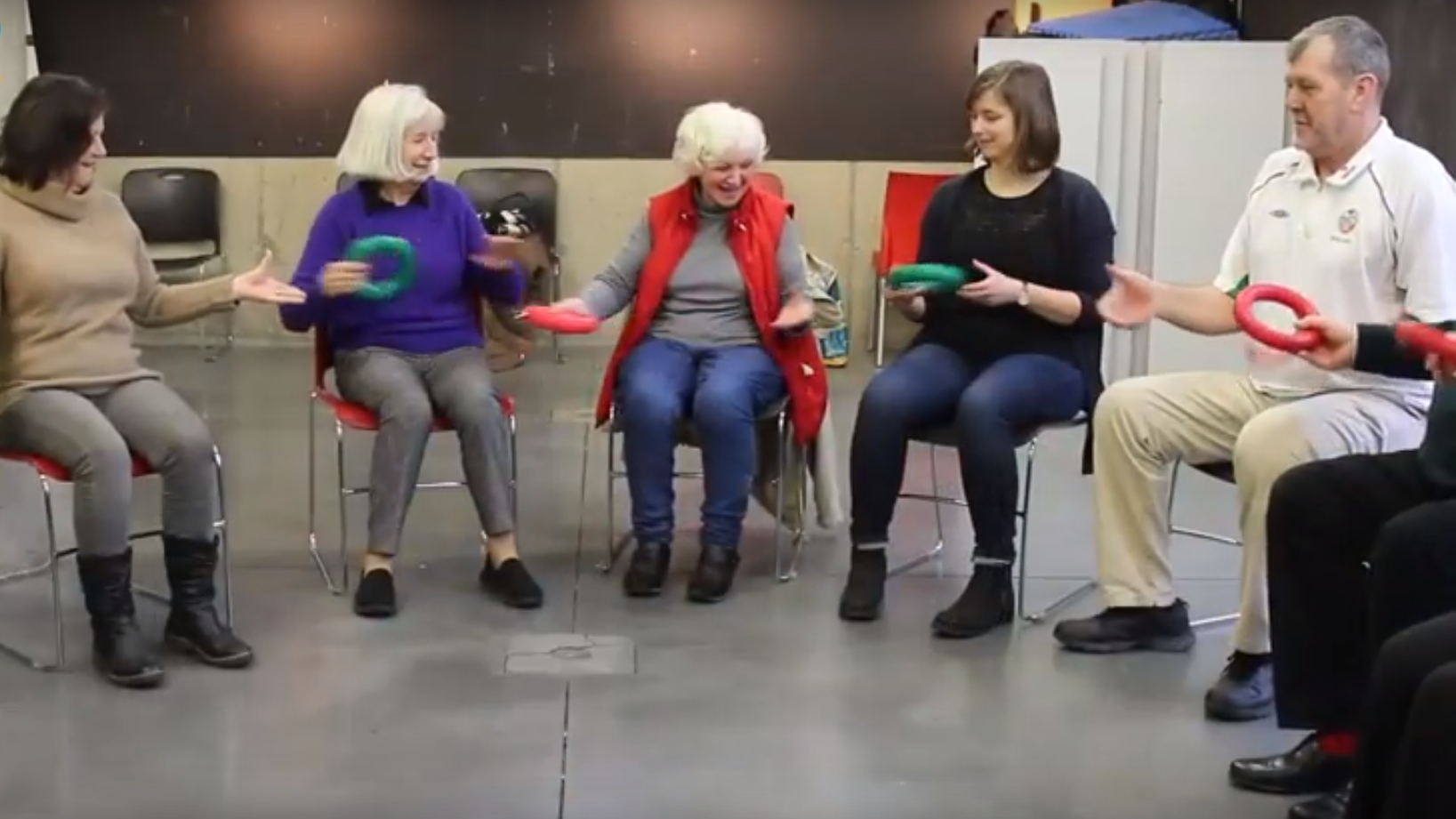
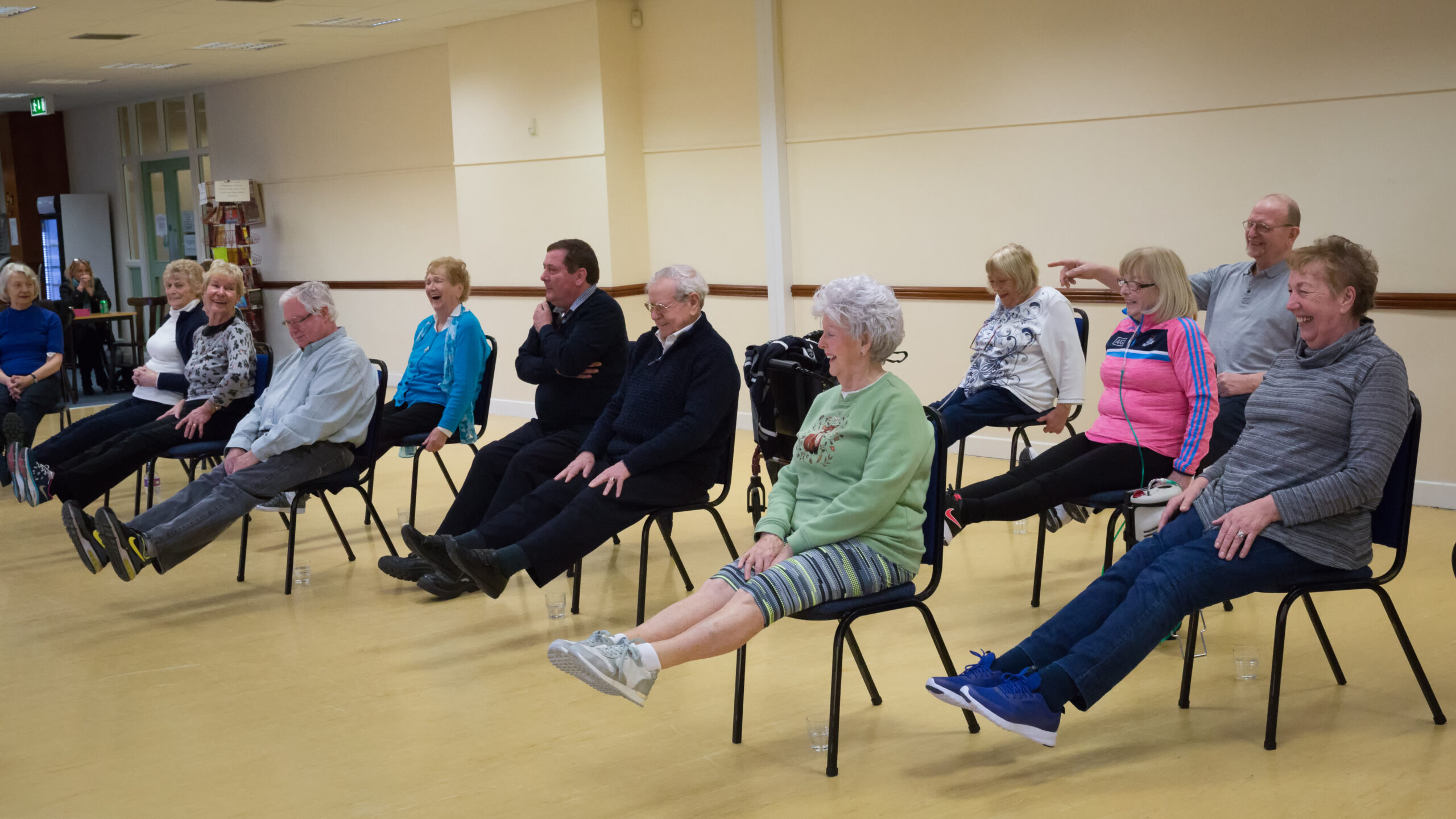
    There are many different activities you can do to exercise than going to a gym. Walking, at home exercises and attending specific classes for adults over 55 can help you get back into exercising. You don’t always have to go to a gym to exercise. Finding the right environment to exercise is just as important as exercise. The best and most enjoyable workouts are the ones when you feel the most comfortable.

    Having a comfortable environment helps reduce stress and anxiety and you will enjoy the activities more. If you are worried about people judging, find a friend or people in a similar situation. Some people feel most comfortable exercising by themselves. Everyone is different so people will feel comfortable in different environments. There is a lot to be said about exercising with someone. It helps you keep your motivation and can be more enjoyable. If you are wanting to relax or reduce tension working out by yourself might be the best option.

    Not all traditional gyms are intimidating, actually many gyms are senior friendly. Look for a gym that has senior discounts, classes or a buddy system. The buddy system is when you are paired up with someone similar to your activity level that way you can motivate each other while still enjoying the workout. A new trend growing worldwide is senior only gyms. Most of these gyms restrict memberships to a certain age. They also provide low impact machines specifically designed for older adults.

    Going to a traditional gym can be intimidating, but there are other ways you can exercise. Check out our exercise classes.

  • The Importance of a Consistent Sleep Schedule for Older Adults

    The Importance of a Consistent Sleep Schedule for Older Adults

    A Healthy Lifestyle Includes Regular Amounts of Sleep!

    Sleep. We all have to do it at some point. Sleeping is essential to a healthy lifestyle. It can be difficult to have a consistent sleep schedule, but it is necessary. A consistent sleep schedule for older adults is a simple way to improve your health and begin a routine. No matter your age getting a healthy amount of sleep can completely alter the way you feel.

    We are told eight hours of sleep a night is considered to be a healthy amount of sleep. According to the Irish Examiner, “less than one in five adults get the recommended eight hours of sleep” and 70 percent found their sleep was frequently disturbed (Check out the article). On top of this, older adults have other factors that contribute to lack of sleep. Melatonin is a hormone that makes us tired, seniors show decreased levels, making it more difficult to fall asleep and to stay asleep.

    Ways to Have a Better Sleep

    The two most important aspects of sleep to consider when trying to fall asleep is your circadian rhythm and having a consistent sleep schedule. Our circadian is our internal alarm clock, it tells us when to wake up and when to fall asleep. This works with the idea of having a consistent sleep schedule because you can train your body to wake up and fall asleep at a certain time. Here are some ways to help you get a better night’s sleep.

    Enjoy the sunny days

    In Ireland, it can be a bit difficult to have a sufficient amount of light espouse. Natural sunlight during the day can keep our circadian rhythm health. With that being said on sunny days it is extremely important to soak up the sun even if it for 15 minutes.

    No Caffeine after 5:00 p.m.

    Caffeine is excellent for when are feeling tired and lethargic. However, if we drink it late in the day, it can stimulate our nervous system and make falling asleep more difficult. If you have a craving for a coffee or tea later in the day, try decaf.

    Reduce Irregular or Long Daytime Naps

    There are those days when we are so tired a nap is necessary. Naps can interfere with a consistent sleep schedule for older adults. Short power naps have many benefits but sleeping during the day can confuse your internal clock. If you want to take a nap during the day try and keep it under 30 minutes, anything longer can mess with your sleep quality.

    Relax and Clear Your Mind in the Evening

    During the day, we are always running around doing errands or we are just busy. It is important at night to relax. Sleeping while stressed is a guaranteed bad night of sleep. Listening to relaxing music, meditation, reading a good book are all ways to help you relax before bed.

    Try to Exercise Earlier Rather Than Later in the Day

    Exercise is one of the best ways to help improve your sleep quality. It is important to exercise daily but exercising too late can cause sleep problems. This is because when we exercise our adrenaline and endorphins increase.

    Sleep just like exercise plays a key role in your overall quality of life and health. It can be challenging to find a sleep routine that works for you, it is ok to try out different tactics. Everyone is different so you may not find your perfect sleep routine on the first try. Happy sleeping.

  • Feeling Part of the Community Again

    Feeling Part of the Community Again

    Join A Local Community!

    After retirement, sometimes it can be hard to know what to do with all the free time. You can go from having social interaction with the community every day to waking up wondering how to spend the day ahead. If this sounds like you, find a local community to participate and become a member. Living in a rural area may even lead to social isolation, the nearest shop could be a 10-15 minute drive and you may only see a car pass your house every few hours. You could end up just pottering around the house every day, sitting and snacking unnecessarily leading to weight gain and drops in activity levels.

    Getting involved in an active age group in your community can help combat all those little worries that may occur when you retire. It gives you a great opportunity to finally rebuild friendships and relationships with people you may have grown up with as a child, hearing and learning about all the events happening in your locality and finally having your own social circle to attend within your community to reward all your hard working years.

    What could be more enjoyable; only to combine physical activity and a chat within your local community? After all, you’re years working, bringing up a family and much more, you may already think you have exercised enough but it is the basic activity levels that begin to deteriorate. Having a close-knit group to take part in physical activity allows for support, motivation and encouragement to keep you on your toes. It is always easier and more enjoyable to exercise when you have friends or people you know around you.

    Finally, it is important to get involved in your local community group, it will keep the body and mind active. It has a major positive role in combating social isolation which is one of the biggest problems for older adults. And of course, no matter what age you are you want to feel a part of the community you grew up in and be aware of all the local events and news happening on a weekly basis.

    Check out some of our community classes near you.

  • Challenge Yourself to Better Yourself

    Challenge Yourself to Better Yourself

    Push yourself to do something unexpected!

    It can be difficult to challenge yourself. Once we are in a comfortable routine we think, “Why would I want to do something else, I like what I am doing now?” but pushing yourself to new limits can be refreshing and rewarding. Challenging yourself through exercise by pushing yourself a bit harder; we aren’t saying to push yourself to the extreme but make your exercise a little bit more demanding. If you want to walk in a 5k, but don’t feel physically fit enough, now is the time to set that as your challenge. We all have an activity we want to someday complete. There is no better time than now.

    Setting a challenge as a goal gives us the spark in our life, many people looking for as they get older. For some older adults, they can feel like there is a decline in their physical abilities, independence or cognitive abilities. When you add something new that completely switches up your routine it can be daunting but necessary. We all love routines but there are times when making yourself uncomfortable is exactly what we need.

    The challenge doesn’t have to be to run a marathon or lift a certain amount of weight. It can be as easy as walking back from the supermarket or being flexible enough to put your socks on. The most important thing to remember with challenging yourself through exercise is you have to want to do it. If someone else is telling you to do it, you will not have the motivation to follow through with it. You also have to believe in yourself and believe you can make a change. We have the people in our lives that tell us we can make a change if we just try, but deep down we have to believe in ourselves too. If you don’t believe that you can walk in a 5k then most likely you won’t, but if you attack it head on and constantly remind yourself you can do anything you finish the 5k with ease.

    The key to challenging yourself through exercise success is to make smaller goals that are measurable. Let’s say you want to complete a 5km walk with the ParkRun, starting small and building up will be the key to your success. Small measurable goals such as walking 500m every second day and building on that achievement week by week will lead to not only achieving your goal but an overall healthier you. Having a plan and schedule helps motivate and encourages consistency.

    We understand that setting a challenge for yourself can be tough but the overwhelming feeling of accomplishing something you never thought you could accomplish is worth the uncomfortableness and is extremely rewarding.

    Did you know you don’t need to run a ParkRun? Walkers are more than welcome. Check out our friends at ParkRun for more information about a “run” near you.

    ***Disclaimer: The information in this post is for reference only and is not intended to be a substitute for medical expertise or advice. If you have any concerns about your own or another’s health then please contact your doctor.

  • Exercise for Bone Health

    Exercise for Bone Health

    The Importance of Exercise For your Bone Health

    In our younger years, bone health isn’t on a top list of priorities except for maybe the odd break. However, as we age, issues such as arthritis, osteoporosis and fractures become ever more present. With a rise in sedentary behaviours, it’s not only our weight and the risk of disease we should be concerned about, it’s also the effect on our bone health.

    Osteoporosis is a medical condition in which bones become brittle and fragile due to a loss of tissue. In Ireland 25% of men and 50% of women aged 50+ are living with the condition. According to the Irish Osteoporosis Society, 20% of people aged 60+ who fracture a hip will die within 6 – 12 months due to secondary complications of the condition. Only a shocking 30% of people aged 60 who suffer a hip fracture will regain their independence.

    Osteoporosis is one of the leading causes of fractures in Ireland and the cost of fracture occurring falls is set to cost the State €1billion by 2020 and €2billion by 2030.

    It’s important that we make shifts to protect our bone health as we age, but how?

    Exercise is a well known preventative tool to help keep our waistlines trim and stave off disease, but it’s vital bone health too. It is more difficult for an older adult to form new bone in comparison to a twenty year old, however this doesn’t mean that exercise can’t have a positive effect on our bone health as we age.

    The most beneficial exercises for bone health are “load bearing”, or those where you are forced to work against gravity, for example walking, jogging, climbing stairs and hiking as opposed to exercise where you weight it supported such swimming or cycling. The benefits of load bearing exercise are two fold; firstly they help to build leg muscle which acts as a type of “scaffolding” for your bones and secondly the impact of your feet on the ground sends a vibration through your bones and helps to stimulate productivity of healthy bone.  In fact the most beneficial exercise for your bones are those where you are forced to move in multi-directions such as racquet games or aerobics including tennis, badminton, ping pong etc.

    These multi-directional exercises are fantastic for the lower body, but what about our upper torso? The answer lies in resistance work which requires muscle contraction.

    But how often? It’s recommended that we practice 30 minutes of load bearing exercise, five times per week and also include at least two sessions of resistance work per week.

    Don’t forget, this type exercise regime is not only going to help your bone health, but lead to other health benefits such as weight management, disease prevention, confidence and independence to name but a few.

    Why not try a Siel Bleu exercise class or a walking group to help improve your bone health?


    ***Disclaimer: The information in this post is for reference only and is not intended to be a substitute for medical expertise or advice. If you have any concerns about your own or another’s health then please contact your doctor. 

  • The Importance of Active Ageing

    The Importance of Active Ageing

    The Importance of Active Ageing

    Ageing is wrongly associated with decline, when in reality it just means we have to work that bit harder to look after ourselves. As we age it’s important that we exercise regularly, look after our nutrition and stay active within the community and our social network. The longer we neglect any of these areas of our life the more difficult it can be to resume a more active lifestyle, but it is never too late to change bad habits!

    Exercising daily and remaining physically active is what helps us to retain our independence and which can ultimately enable us to live on our own terms. The World Health Organisation encourages up to 300 minutes of moderate-intensity aerobic physical activity or 150 minutes of vigorous-intensity aerobic physical activity per week. That may sound like a lot but it’s just half an hour, 5 days a week.

    Such targets can be achieved through moderate physical activity, such as walking while participation in a more vigorous exercise programme may be another person’s desired method of physical activity. As we age, resistance or weight bearing exercises are particularly beneficial in targeting muscle wastage and maintaining bone density and strength. No one mode of physical activity is right or wrong – the key is to find a form of physical activity that you enjoy enough to keep doing, whilst targeting key areas associated with age related decline. That means including flexibility (stretching), endurance, strength, and balance exercises in our routine.

    As we age and become less active our metabolism slows and our energy output decreases. As outlined by the Institute of Medicine our body’s ability to process and utilise the nutrients we need to maintain healthy bones and to prevent muscle wastage decreases. This means that we may in fact need to boost the amount of nutrients and minerals we are absorbing into our body. Muscle wastage and loss of bone density (osteoporosis) can ultimately contribute to falls and loss of mobility and independence. From the age of 60 around one third of women and two thirds of men will have reduced muscle mass.

    In practical terms what we must do is ensure that our food intake matches our output. Our daily activity levels will often drop as we age and live a more sedentary lifestyle, but portion sizes remain the same. More importantly though is the content of what we choose to eat. We must follow balanced and varied diets containing fresh fruit and vegetables for fibre, protein rich foods which can maintain muscle mass and bone strength, dairy, healthy oils, whole grain foods and plenty of fluids all of which provide essential nutrients and minerals to our bodies.

    Finally we must remain active within our community and social circles. Social isolation can be hugely damaging to our psychological health and as we age and it’s important that we have a support network around us. People are living longer but in smaller family networks and in a society that isn’t as familiar with its neighbours. Increasingly studies are identifying a correlation between a lack of social engagement and the development of heart disease and other medical conditions aside from more obvious negative effects such as depression and anxiety. That is why we should get active, get out and about in our local community. We have nothing to lose but everything to gain!


    Why not try a community class in your area or contact us about a one to one class.


  • Keep your Brain Healthy

    Keep your Brain Healthy

    A Few Ways you might not have thought of to keep your brain healthy.

    As we get older we can be conscious of keeping our bodies healthy. It’s important to exercise and eat the right food to ensure we have the physical abilities to do what we need to. But with an increase awareness of Alzheimer’s disease and related dementias, our brain health is becoming as important as keeping our physical health.

    Over he past few decades research has shown that our brains never stop growing new connection. You’ve probably read numerous articles about the importance of brain training games and apps. Today we thought we’d share a few different ways to help keep your brain healthy as you get older.

    Learn A New Language 

    A recent study carried out at the University of Edinburgh, showed the effects of learning a new language on retired volunteers. The study consisted of two groups, one who did an intensive course of Scot’s Gaelic and the other learned a non language related subject. The results were surprising, showing the brain was responding to the new language contrary to common belief.

    “The learning process will keep neutrons firing, which assists in boosting memory, improving attention and has the potential to assist in staving off dementia.” According to Chief Executive of Mental Health Ireland, Martin Ronan, “To learn a new language, or any new skill, is literally changing the internal structures and connectivity within the brain.”

    Another study in Hyderabad, India, showed that speaking two languages slowed the start of three types of dementia, including Alzheimer’s disease, by an average of 4.5 years.

    Within our classes we have been delighted to see a number of people living with dementia, taking up a new language, one gentleman in particular has had to change his exercise day to fit in his Italian class!

    It might be time for us to start learning French like we always said we would, or even start to embrace our cúpla focail!

    Learn to play an instrument. 

    Have you always wanted to learn to play the guitar or piano? Fancy learning the concertina and taking part in a trad session? Learning the musical instrument might have more benefits than you think.

    It has long been thought that music can help to improve brain health, specifically for people with brain injuries, Parkinson’s disease and dementia. Until now, much of the emphasis was placed on listening to music, where as a recent study carried out at the Baycrest Centre for Geriatric Care in Toronto Canada showed that the benefit could actually be in the playing of music.

    “Music has been known to have beneficial effects on the brain, but there has been limited understanding into what about music makes a difference,” says Dr. Bernhard Ross, senior author on the study, “This is the first study demonstrating that learning the fine movement needed to reproduce a sound on an instrument changes the brain’s perception of sound in a way that is not seen when listening to music.”

    “It has been hypothesized that the act of playing music requires many brain systems to work together, such as the hearing, motor and perception systems. This study was the first time we saw direct changes in the brain after one session, demonstrating that the action of creating music leads to a strong change in brain activity.”

    Take Up a Physical Activity

    Seeing as we are an exercise charity, we couldn’t go without telling you how important physical activity is for your brain as well as for your body.

    According to Harvard Medical School, “exercise changed the brain in ways that protect memory and thinking skills,” helping to reduce that “brain fog” often associated with the ageing process.

    There are both direct and indirect effects of exercise that related to our brain health. Directly, exercise helps in chemical reactions within our brain. Exercise helps to reduce insulin resistance, reduce inflammation and stimulate the release of growth factors – chemicals in the brain that affect the health of brain cells, the growth of new blood vessels and the thriving and survival of new brain cells.

    Exercise can also help to improve sleep and reduce stress and anxiety, which all have an impact on our brain health.

    It is thought that aerobic exercise may have the most direct effects on our brain health where as weight training may be linked more to the indirect brain benefits. Research is still out on exactly which type of exercise is most beneficial, so in order to cover all your bases, try combining both walking with some light resistance or weight exercises and get your 150 minutes of physical activity in each week.


    Sources:

    https://www.irishtimes.com/life-and-style/health-family/learn-another-language-and-keep-your-brain-fit-1.2999911

    https://www.nbcnews.com/healthmain/speaking-second-language-delays-dementias-even-illiterate-study-finds-8C11544770

    https://www.sciencedaily.com/releases/2017/06/170601192721.htm