Tag: physical activity for older adults

  • How Often Should You Be Exercising Weekly?

    How Often Should You Be Exercising Weekly?


    Do you ever wonder how often you should be exercising? Do you feel as though you could be doing more? 


    The verdict is out for how much older adults aged 65 and older should be exercising a week. You should be aiming to accomplish 2 hour and 30 minutes of moderate aerobic activity weekly. Although this may seem intimidating, it is important to keep in mind that there are 168 hours in just one week. Therefore, these exercises can be divided into about 20 minutes a day 7 days a week, 30 minutes a day 5 days a week, or 50 minutes a day 3 days a week. Moderate aerobic exercises include activities such as pushing a lawn mower, cycling and most commonly used, walking. So you may already be exercising without realizing it! However, if you feel as though you can partake in vigorous aerobic exercise, such as running, an hour and 15 minutes weekly will yield the same benefits.


    In combination with the aerobic activities you choose, it is important to work on strengthening major muscles as well. The major muscles include legs, hips, back, abdomen, chest, shoulders and arms. Through strengthening exercises you can build and maintain strong bones, regulate blood sugar and blood pressure, and maintain a healthy weight. Your strength exercises should be done at least 2 times a week, but can be done more. However, strength training doesn’t need to mean just lifting weights! Alternatives can be as simple as carrying heavy loads of groceries, gardening or yoga. 


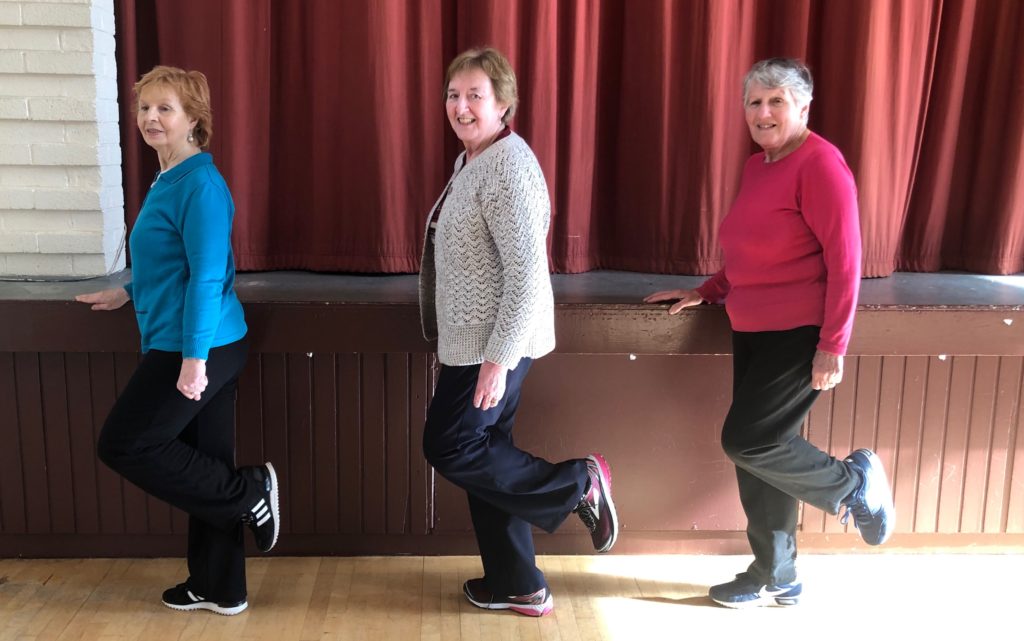
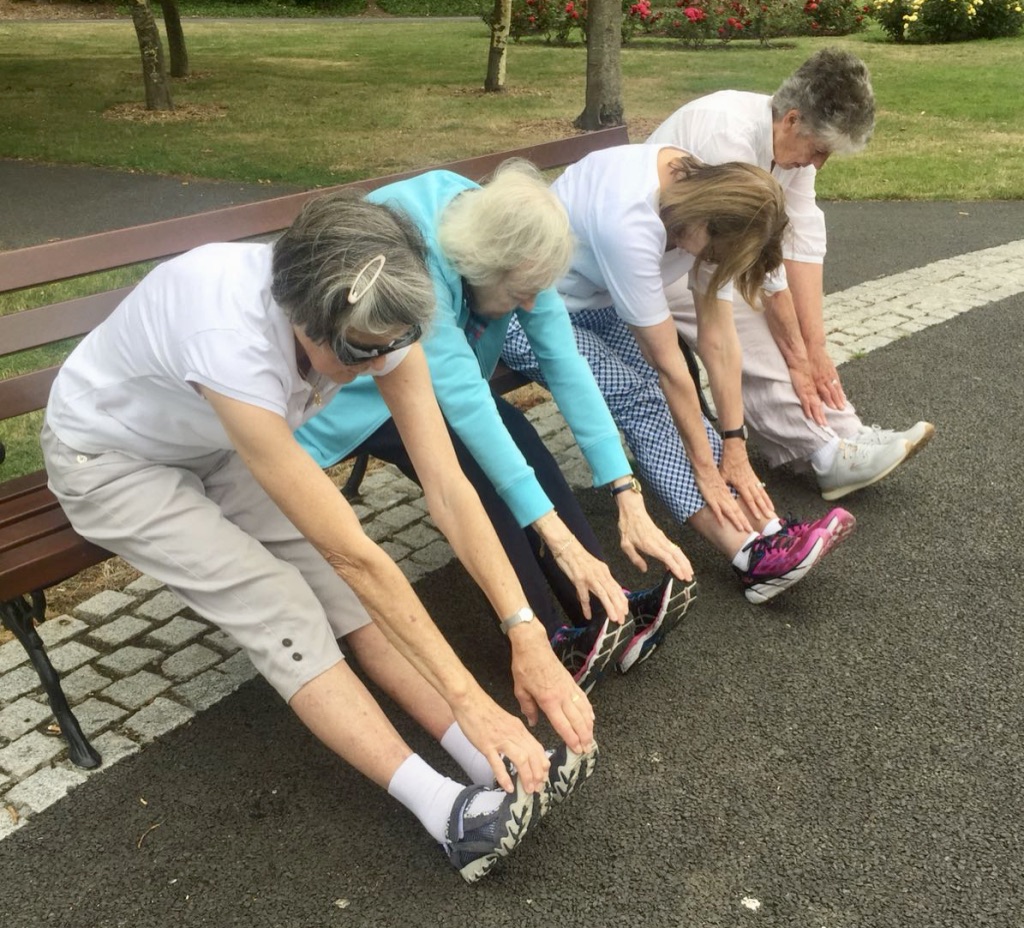
    Lastly, you should set aside time on 3 or more days a week to practice balancing. These balance exercises include activities such as holding onto a chair and trying to balance for 10 seconds on one foot. 


    Please note that you should only partake in exercises that suit you and you feel comfortable doing. Also note, the exercises should not be done in one large segment, but instead can be broken down to make the numbers less intimidating and more manageable.

    ***Disclaimer: The information in this post is for reference only and is not intended to be a substitute for medical expertise or advice. If you have any concerns about your own or another’s health then please contact your doctor. 

    Sources

    https://www.todaysgeriatricmedicine.com/news/ex_092210_03.shtml

    https://www.nhs.uk/live-well/exercise/physical-activity-guidelines-older-adults/#what-activities-strengthen-muscles

    https://www.heart.org/en/healthy-living/fitness/fitness-basics/balance-exercise

    http://www.allwayshomecare.org/best-exercises-older-adults/
  • The Importance of Aerobic Training for Senior Fitness

    The Importance of Aerobic Training for Senior Fitness

    We talk a lot about strength training exercises, and the advantages it presents for older adults. Yet, what about aerobic training? Aerobic exercise, also known as cardiovascular exercise (cardio), is a brisk exercise that promotes circulation of oxygen through the blood, and is associated with an increased rate of breathing. In other words, it is low to moderate intensity exercises that can be done consistently without stopping where you are able to still hold a conversation, whereas anaerobic exercise you cannot.  Some examples include quick walking, biking, jogging, hiking, etc. As children, many people can remember doing these things with their friends, or family during their play time. Yet, as we get older we tend to stop doing aerobic exercise as it is no longer a priority and can be missing the vast benefits it holds.

    Working aerobic exercise into a fitness routine for an older person has a big impact on the health of your lungs, heart, and overall bodily functions. During aerobic exercise, we breathe faster, and more deeply, increasing blood flow, and circulation throughout our body. This is important as it helps reduce unpleasant symptoms, such as pain, muscle cramps, numbness, digestive issues, and coldness in the hands, or feet.


    Doing this type of workout regularly allows the entire pulmonary system to increase the amount of oxygen that the lungs can handle, toning the lungs, and the heart. By strengthening the heart, we are lowering our resting heart, and increasing our stamina. This means that our heart does not have to work as hard when doing day to day activities. On top of that, it aides in warding off viral illness by activating, and boosting our immune system, making us less susceptible to viruses like the flu. Not only does aerobic exercise help our physical well being, but it assists with our emotional state of mind. When participating in this type of exercise, we release something called endorphins, also known as happy hormones. When released, they promote an increased sense of happiness, as well as help with reducing pain.

    Now with all this information, how do we put it into practice? The recommended amount of exercise for older adults is 150 minutes a week with a mix of cardio, and strength. An example of this is doing one strength training workout for 60 minutes, such as a Siel Bleu exercise class, and three aerobic training sessions such as a brisk walk for 35 minutes at a time. Remember, aerobic training is not a vigorous workout, and the intensity should be done at a rate where a conversation can be held. All in all, it does not matter what type of cardio is done, but that it is done consistently, and it is something that is enjoyable. So, walk, bike, swim, and reap the many benefits of aerobic training!


    For more information on Siel Bleu programmes: https://www.sielbleu.ie/home/programmes/


    Sources:

    https://www.healthline.com/nutrition/foods-that-increase-blood-flow

    https://www.mayoclinic.org/healthy-lifestyle/fitness/in-depth/aerobic-exercise/art-20045541

    https://www.medicinenet.com/script/main/art.asp?articlekey=10182

    https://www.medicalguardian.com/medical-alert-blog/fitness/the-importance-of-aerobic-exercise-for-seniors

  • Exercise myths about older adults

    Exercise myths about older adults

    Welcome to Siel Bleu’s myth buster addition! Many people have fears, and speculations when it comes to working out, especially into an older age. In this blog, we are going to go over the common myths that surround this topic, and the actual truths behind them.

    Myth: Exercise isn’t safe for someone my age

    Actually, not moving is much riskier and can speed up the ageing process. When you are inactive, you start to lose strength, stamina, and balance. This in turn leads to issues like falls, which is the third leading cause of chronic disability, and loss independence. Yet, it has been shown that regular exercise, prevents loss of bone mass and improves balance, actually reducing your risk of falling.

    In one particular study, they took 344 adults, 70 and older, who previously had three falls. The older adults took part in a simple resistance training programme over a 6 month period. The result?  The study showed that participants were less likely to experience repeat falls. Also, as a secondary benefit they improved in areas of cognitive function. Doctor Teresa Liu-Ambrose, who conducted this study adds, “Older adults who experience falls are medically complex and at high risk for both morbidity and mortality, and we demonstrated that exercise is a practical and cost-effective intervention that can improve older peoples’ outcomes after a significant fall.” Remember, the more physically fit you are, the less likely you are to get injured.

    Myth: It’s too expensive

    In all reality, exercise saves you money! By staying active, it has been shown that you will have less medications, hospital visits, and are able to stay independent longer, reducing the need for long term care. You don’t have to spend money to exercise, simply getting out of the house and going for a walk is beneficial. Or try some simple movement exercises while watching the TV.

    Also, due to Siel Bleu being a nonprofit, our exercise classes are affordable, allowing most people to participate. In addition to the classes, many of our participants exercise at home, which in turn saves money from having to get a gym membership. Checkout our newsletter here, where you can sign up and receive 3 free at home exercise programmes: http://bit.ly/newslettersbi

    Myth: I have never exercised before, it’s too late to make a difference in my health

    Many people think that symptoms, such as weakness, or loss of balance, are strictly caused by old age. While it is true that as you get older, our body’s functionality can decline, physical activity helps to slow any further decline.

    Yet, there is good news! It has been shown that even if someone decided to exercise after being physically inactive, the benefits of longevity would still be significant. For example, in a study in the UK, it was found that even people in their nineties living in a nursing home boosted muscle strength after starting an exercise routine! Another thing to keep in mind is that beginners see that most amount of progress when starting out, compared to those who are experienced. This demonstrates at any point in life being active is advantageous for your health.

    Myth: I’m not fit enough to attend an exercise class

    Most people who start an exercise class, have either no exercise experience, or very little. When you attend a Siel Bleu exercise class, you will see that everyone comes from diverse walks of life, and have different abilities. Also, our trainers are highly educated, having to obtain at least a Bachelors in Exercise Science, and are trained by Siel Bleu standards. Due to this, trainers will find modifications for you if you are unable to do an exercise, and each class is done at your own pace. On top of that, you get the added benefit of exercising with a group which is motivating, holds you accountable, and allows you to build relationships with the other participants. Also, as many of our I Can champions pointed out last week, you have to start somewhere!

    Sources:

    https://www.helpguide.org/articles/healthy-living/exercise-and-fitness-as-you-age.htm

    https://www.medicalnewstoday.com/articles/325610.php?fbclid=IwAR0tf4jebUWCXVQWDHCBHuCiCfdVm1Pp5p9qBHO9LsXkYiRFjerHPvYTFgk

    https://www.nhs.uk/live-well/exercise/exercise-as-you-get-older/

    https://www.bbc.com/news/health-47331544

    https://www.webmd.com/fitness-exercise/guide/exercise-and-aging-myths#1

    https://www.webmd.com/healthy-aging/features/exercise-older-adults#2

    http://aginginstride.enewsworks.com/en/10047/articles/2456/Top-10-Myths-About-Seniors-and-Exercise.htm

    https://www.belmarrahealth.com/home-exercise-program-lowers-fall-risk-elderly/?fbclid=IwAR0qIJlMXb-aJ0JK1YFxtssBI23BWc6KflvREkdiFsK7x76YjNpMC-Y2XaA

  • Keeping Your Confidence

    Keeping Your Confidence

    Stay and Boost Confidence in Yourself

    Gaining confidence is like a rollercoaster throughout our lives. Usually, it starts off a bit low but then as we start getting older it reaches its peak. Around the age of 55 to 65 is when we are the most confident in ourselves. However, around the age of retirement, our confidence can start to decline. To keep self-esteem high requires constant attention and motivation. This does not change when we age. We have a few ways to help older adults’ confidence.

    WAYS TO KEEP YOUR CONFIDENCE:

    Hang Out with Friends or Your Furry Friends

    We have talked about the numerous benefits of having a friend (it can be a furry friend). But did you know that having someone to spend time with can boost your self-esteem? Loneliness is a common symptom of ageing. We recently wrote a blog post on how to combat loneliness. Nevertheless, exercising with other people is just one way to decrease the feeling of loneliness, you can also try setting up and weekly stop at a café with a friend or just seeing friends throughout the week can help increase your confidence.

    Take Care of Yourself

    Unsurprisingly taking care of yourself can help older adults’ confidence. If you feel good about yourself, you will increase your self-esteem and confidence. There is more to taking care of yourself than exercise. Good hygiene, a healthy diet and regular consistent exercise all contribute to your overall health. Find something that you enjoy doing regularly that has some exercise aspect to it and you will find it much easier to take care of yourself.

    Learn Something New

    No one wants to live a boring life. Staying active and interested in the world we live can add to our lives. Make it a goal every day to learn or try something new every day. It can be as simple as trying new food, walking a different route or reading a new book.

    Ignore The Negative Stereotypes

    People are always telling older adults what they can and cannot do. You know what you are capable of, so listen to yourself and your body. If you feel like you are up for a harder workout try it if you feel like you are a bit sorer and stiffer than normal take it easy. You know what is best for you so kick those stereotypes to the curb. If you believe in yourself that’s all that matter, you will see your self-confidence skyrocket.

    Self-esteem and self-confidence and hard to keep high. With a good support system around you, taking care of yourself, always trying to push yourself and squashing stereotypes you will find your self-confidence to stay high.

  • Why We All Need to Improve Our Posture

    Why We All Need to Improve Our Posture

    Back pain? It’s probably from your posture!

    Good posture is something we were always told to have as children and for good reason. Good posture keeps your body functioning in the correct way. With good postures comes well-balanced muscles and can help you prevent injuries. Due to our sedentary lifestyle, it is almost impossible to always have good posture. With that being said there are ways we can try and better our posture. For older adults to have good posture it can help with chronic back pain and other aches and pains.

    For seniors, the largest cause of poor posture is physical inactivity. Injuries and falls also contribute to bad posture, due to the body trying to overcompensate and fix the injury but maybe in an incorrect way. Another issue is chronic pain. Arthritis and similar conditions can deter people from exercising. However, even with a chronic condition exercise can help with relieving pain.

    Every muscle in our body has an effect on each other. When we hurt a muscle, the other muscles try and take the pressure off the injured area, this can cause other muscles to become fatigued. This is the case with most people’s lower back pain. Bad posture is what causes most of our back pain. Slouching in a chair is one of the worst things to do for back pain. The position can cause unnecessary and excessive pressure on joints and muscles. It may feel like it revives pressure at that moment, but it is doing more harm than good. If you are watching TV or using a computer, try to always be aware of your posture.

    To help improve your posture and decrease back pain, participate in balancing programs that will increase your stability. The best exercising in a balance class include forms of strength and flexibility training. Another way to test your posture is to look at the chair you sit in. You want to have a chair that decreases the urge to slouch. If your chair encourages bad posture, maybe look into a more supportive chair.

    The best thing you can do to help improve your posture is to stand up and move around several times a day. Try light stretching at least once a day to keep your back and other muscles loose. It is extremely important for older adults to have good posture. Attaining good posture can be a long process, but the health benefits are worth the time and effort.

  • Exercise for Bone Health

    Exercise for Bone Health

    The Importance of Exercise For your Bone Health

    In our younger years, bone health isn’t on a top list of priorities except for maybe the odd break. However, as we age, issues such as arthritis, osteoporosis and fractures become ever more present. With a rise in sedentary behaviours, it’s not only our weight and the risk of disease we should be concerned about, it’s also the effect on our bone health.

    Osteoporosis is a medical condition in which bones become brittle and fragile due to a loss of tissue. In Ireland 25% of men and 50% of women aged 50+ are living with the condition. According to the Irish Osteoporosis Society, 20% of people aged 60+ who fracture a hip will die within 6 – 12 months due to secondary complications of the condition. Only a shocking 30% of people aged 60 who suffer a hip fracture will regain their independence.

    Osteoporosis is one of the leading causes of fractures in Ireland and the cost of fracture occurring falls is set to cost the State €1billion by 2020 and €2billion by 2030.

    It’s important that we make shifts to protect our bone health as we age, but how?

    Exercise is a well known preventative tool to help keep our waistlines trim and stave off disease, but it’s vital bone health too. It is more difficult for an older adult to form new bone in comparison to a twenty year old, however this doesn’t mean that exercise can’t have a positive effect on our bone health as we age.

    The most beneficial exercises for bone health are “load bearing”, or those where you are forced to work against gravity, for example walking, jogging, climbing stairs and hiking as opposed to exercise where you weight it supported such swimming or cycling. The benefits of load bearing exercise are two fold; firstly they help to build leg muscle which acts as a type of “scaffolding” for your bones and secondly the impact of your feet on the ground sends a vibration through your bones and helps to stimulate productivity of healthy bone.  In fact the most beneficial exercise for your bones are those where you are forced to move in multi-directions such as racquet games or aerobics including tennis, badminton, ping pong etc.

    These multi-directional exercises are fantastic for the lower body, but what about our upper torso? The answer lies in resistance work which requires muscle contraction.

    But how often? It’s recommended that we practice 30 minutes of load bearing exercise, five times per week and also include at least two sessions of resistance work per week.

    Don’t forget, this type exercise regime is not only going to help your bone health, but lead to other health benefits such as weight management, disease prevention, confidence and independence to name but a few.

    Why not try a Siel Bleu exercise class or a walking group to help improve your bone health?


    ***Disclaimer: The information in this post is for reference only and is not intended to be a substitute for medical expertise or advice. If you have any concerns about your own or another’s health then please contact your doctor. 

  • The Importance of Active Ageing

    The Importance of Active Ageing

    The Importance of Active Ageing

    Ageing is wrongly associated with decline, when in reality it just means we have to work that bit harder to look after ourselves. As we age it’s important that we exercise regularly, look after our nutrition and stay active within the community and our social network. The longer we neglect any of these areas of our life the more difficult it can be to resume a more active lifestyle, but it is never too late to change bad habits!

    Exercising daily and remaining physically active is what helps us to retain our independence and which can ultimately enable us to live on our own terms. The World Health Organisation encourages up to 300 minutes of moderate-intensity aerobic physical activity or 150 minutes of vigorous-intensity aerobic physical activity per week. That may sound like a lot but it’s just half an hour, 5 days a week.

    Such targets can be achieved through moderate physical activity, such as walking while participation in a more vigorous exercise programme may be another person’s desired method of physical activity. As we age, resistance or weight bearing exercises are particularly beneficial in targeting muscle wastage and maintaining bone density and strength. No one mode of physical activity is right or wrong – the key is to find a form of physical activity that you enjoy enough to keep doing, whilst targeting key areas associated with age related decline. That means including flexibility (stretching), endurance, strength, and balance exercises in our routine.

    As we age and become less active our metabolism slows and our energy output decreases. As outlined by the Institute of Medicine our body’s ability to process and utilise the nutrients we need to maintain healthy bones and to prevent muscle wastage decreases. This means that we may in fact need to boost the amount of nutrients and minerals we are absorbing into our body. Muscle wastage and loss of bone density (osteoporosis) can ultimately contribute to falls and loss of mobility and independence. From the age of 60 around one third of women and two thirds of men will have reduced muscle mass.

    In practical terms what we must do is ensure that our food intake matches our output. Our daily activity levels will often drop as we age and live a more sedentary lifestyle, but portion sizes remain the same. More importantly though is the content of what we choose to eat. We must follow balanced and varied diets containing fresh fruit and vegetables for fibre, protein rich foods which can maintain muscle mass and bone strength, dairy, healthy oils, whole grain foods and plenty of fluids all of which provide essential nutrients and minerals to our bodies.

    Finally we must remain active within our community and social circles. Social isolation can be hugely damaging to our psychological health and as we age and it’s important that we have a support network around us. People are living longer but in smaller family networks and in a society that isn’t as familiar with its neighbours. Increasingly studies are identifying a correlation between a lack of social engagement and the development of heart disease and other medical conditions aside from more obvious negative effects such as depression and anxiety. That is why we should get active, get out and about in our local community. We have nothing to lose but everything to gain!


    Why not try a community class in your area or contact us about a one to one class.


  • Exercise, COPD & Me: The Trainers View

    Exercise, COPD & Me: The Trainers View

    Our Exercise COPD & Me exercise classes are a huge success here at Siel Bleu. We currently have 16 COPD classes running which reach about 350 people.


    This week have a lovely piece written by one of our physical trainers, Michelle. Michelle often works with COPD groups and has seen first hand the positive impact it has had on people with COPD.


    “As trainers we find new people who join our classes can be a bit apprehensive to join an exercise class as they may be afraid of becoming breathless or have a fear that they will be the only one there feeling a certain way. But as our new participants join, they soon realise that they are capable of exercising at a higher intensity than which they thought. Some people may work at lower intensity than others but they are still surprised at how much they CAN do. Exercise can help improve physical fitness in people with COPD and it can reduce levels of fatigue, this is brilliant as after the class although they may feel tired after the exercise they also feel like they’ve more energy.


    Not only does our exercise class provide as service for people living with COPD, it also provides a meeting place for these members to see each other on a weekly basis. The support group is brilliant because it allows people to share stories and symptoms with each other, this helps people to understand COPD more as they realise that they’re not the only one feeling a certain way. On a weekly basis we as trainers see people grow in confidence, we see people making good friends and going out for lunches together or sharing a cup of tea after the class. We really want people to have a place to come to where they feel supported in a safe environment surrounded by their peers.”


    Here are some of the quotes from current members of our COPD classes.

    “COPD limits breathing and consequently puts limits on ones ability to do normal things like walking up a hill, doing anything that requires physical exercise or even walking the dog. Siel Bleu by introducing indoor walking with leg and arm exercises in a happy social atmosphere is an enormous benefit to COPD suffers. The exercises loosen up the body and people can have a better quality of life” -Peg

    “I look forward to my Tuesday class and I feel great after the exercises, we have the added advantage of the friendship we make and share a cuppa and a chat afterwards. It is also good to have competition and make sure were keeping up with the rest” – Mary

    A full list of our COPD classes can be found here

  • Get Up, Get Dressed & Get Out!

    Get Up, Get Dressed & Get Out!

    Exercise for COPD does not have to make you breathless

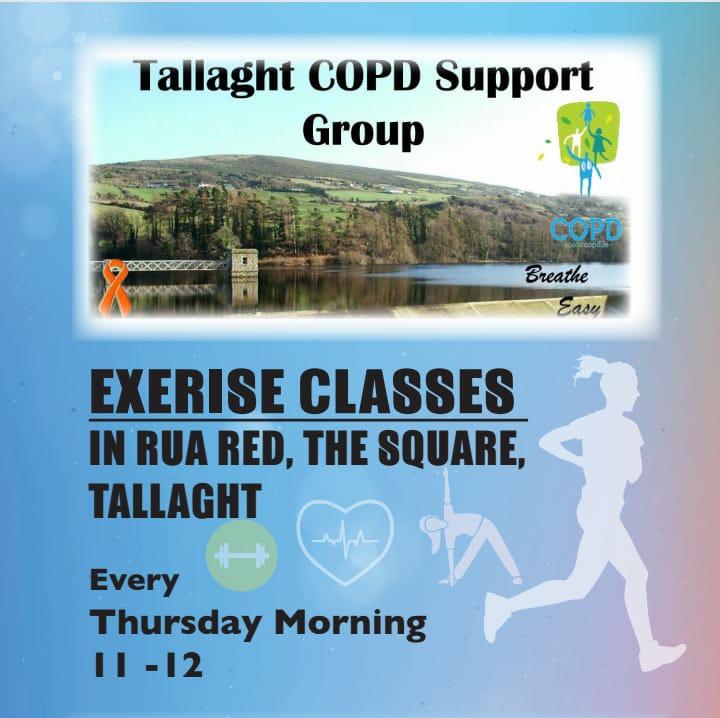
    Today, in honour of World COPD Day coming up, for today’s blog post we’ve talked to a coordinator, Carol Muldoon from COPD Tallaght to talk about how the group got established and how exercise has made a difference to their lives.

    “Last year, myself Phil and Paddy volunteered to set up Tallaght COPD Support Group. We roped Nicky and Tisha in along the way.

    Our 1st step was to reach as many people as we could, so we got The Echo a local newspaper to run a story about COPD with Phil as our poster boy. We designed a logo for our posters and stuck them up anywhere we could, with details of our 1st general meeting in Tallaght library.

    We had speakers come in and give a talk on different subjects one of which was Paul from Siel Bleu who is a physical trainer. As exercise is very important for people with COPD it was decided our main goal was to get an exercise class up and running. So with the help of COPD Support Ireland our 1st session was organised to be held in Rua Red on a Thursday morning at 11am.

    Since then we have come on in leaps and bounds. Our numbers have grown and we all look forward to our weekly exercise class with our Siel Bleu trainer Sean. He makes us work hard but also makes sure we have an enjoyable workout.

    We also have a social side to our group and have enjoyed a trip to Kilkenny castle and the Titanic experience in Belfast. We are also having our Christmas hooley in the Red Cow.

    We have come a long way in the last year and look forward to the future and what it may bring. 

    Our motto in Tallaght COPD Support Group is Get Up, Get Dressed and Get Out.

    Breathe Easy.”

    For those of you who don’t know, COPD stands for Chronic Obstructive Pulmonary Disease which is the umbrella term for chronic lung disease. It’s symptoms include shortness of breath and fatigue and can be caused but not always by smoking.

    Exercise is a vital therapy for people living with COPD, however there can be a misconception that due to breathlessness symptoms of the disease, it can be dangerous to exercise. There is a spiral of decline associated with COPD, a person feels out of breath, doesn’t do any physical activity due to fear of becoming more breathless, and in turn the symptoms worsen.

    For someone like Carol who never exercised before starting the class with Siel Bleu she said “I found the exercises tough going at the start. Even the warm up was a challenge!” However after a few weeks of persistence the results pay off, “I find them a lot easier now and I’m not afraid to push myself a little bit more.
    I enjoy the craic we all have and we don’t notice the time going by. There are great improvements in all the group. And it doesn’t take long for newcomers to catch up.”

    For more information about COPD visit www.copd.ie 


  • The Power of “I Can”

    The Power of “I Can”

    Our Development Office Paul tells us how he harnessed the “I Can” Campaign to overcome his fear of heights

    Recently Siel Bleu launched our very own awareness campaign called “I CAN” empowering through exercise. Our aim with this campaign was simple, we wanted to share stories about the significant impact exercise has had on some of our exercise champions lives. Each exercise champion used the words “I CAN” and stated something they CAN now do that wasn’t possible before they became more physically active with Siel Bleu.

    We had Jennifer (77) a survivor of esophageal cancer, who went from lethargic, stressed and with little or no motivation to an inspirational, self-motivated and confident exerciser. Jennifer’s “I CAN” was that she can now do 150 squats in a day when at her best. Just to clarify that was not a typo, she did indeed do 150 squats in one session….. AMAZING I know!!!! On top of this incredible achievement Jennifer also got more physically active by increasing her walking distances, tracking her steps, attending mindfulness classes and so much more. Starting weekly one to one exercise sessions started Jennifer on a path that she never thought she would be on almost 2 years later. Jennifer was our poster woman for the “I CAN” and has inspired so many others along the way. There’s not a week goes by without someone mentioning her story to me saying I can’t believe how she changed her life around so much just be getting more physically active. I worked with Jennifer a lot at the beginning of her journey and her story only paints half the picture, she really is an inspiration.

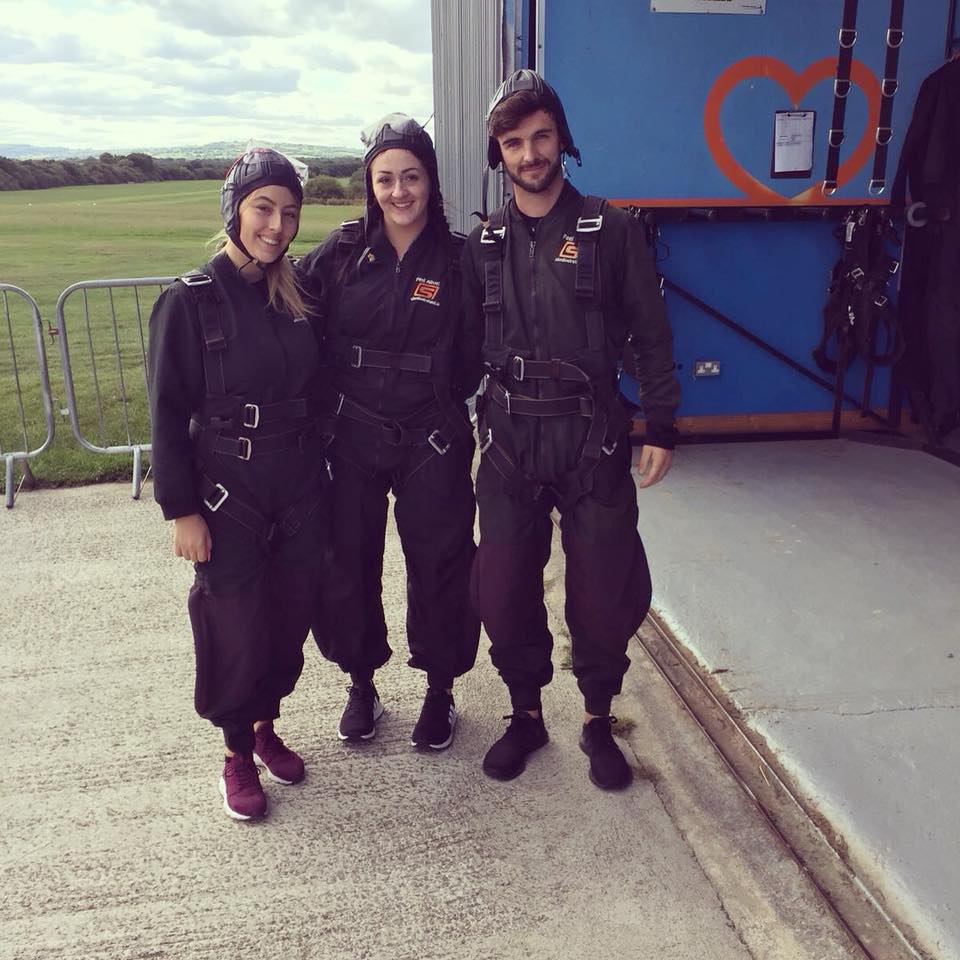
    Moving back to the “I CAN” and the reason I wanted to share this story with you was because Jennifer and our other exercise champions have helped to inspire me to find my own I CAN. I’m great at motivating others to achieve their new normal and experience new challenges but it’s hard to look outside of your comfort zone and say what can I do to better myself? Like Jennifer I would like to look back in 2 years and say I never thought that would be me. So what is my “I CAN” you ask? Well it’s not exercise based but equally as challenging I’m facing my fear of heights by performing a Charity Skydive.

    I won’t bore you with my history of falls from heights as a child which helped develop this fear but I will tell you I have not climbed a ladder in the last 20 years nor do I stand while on a plane. Flying is very safe and I’ve been on many flights but I don’t enjoy them full stop. The idea of being in the air just doesn’t do it for me so the idea of a Skydive is terrifying as it brings the flying and the falling together. I spoke with Jennifer about me doing the Skydive and she was great support and it was amazing how our roles as motivator and listener swapped. She was reassuring that I could indeed do it and reminded me of the words “I CAN”.

    Fast forward a few weeks and here I am writing about an experience I never thought about or wanted to do and I have done it! I SURVIVED freefalling from 10,000 feet which I jumped out of what seemed to be an unsafe looking aircraft. I have faced my fear of flying and heights in one go and can say loud and proud “I CAN” face my fears (without crying).

    The Power of the “I CAN” comes in many forms and I want you to find your own “I CAN” be it exercise related or not. Your own “I CAN” should be an achievement no matter how big or small. The testimonials we receive back from our exercises classes isn’t always an “I CAN” related to an exercise achievement , it more so comes in the form of a “I CAN” tie my shoes again, “I CAN” walk to the local shop on my own, “I CAN” climb my stairs again, “I CAN” do my own gardening again. This list of examples can go on and on and everyone CAN do what they set their mind to once they get a little support along the way.

    I would like to thank my family & friends for supporting me through my own “I CAN” and we helped raise money for Siel Bleu Ireland to help more people reach theirs.


    **We’d like to extend a huge thanks to Paul and friends for raising nearly €1000 for Siel Bleu Ireland by facing their fears.