Tag: exercise is the best medicine

  • Spring’s Moving in So Get Moving

    Spring’s Moving in So Get Moving

    Start exercising outside this Spring!

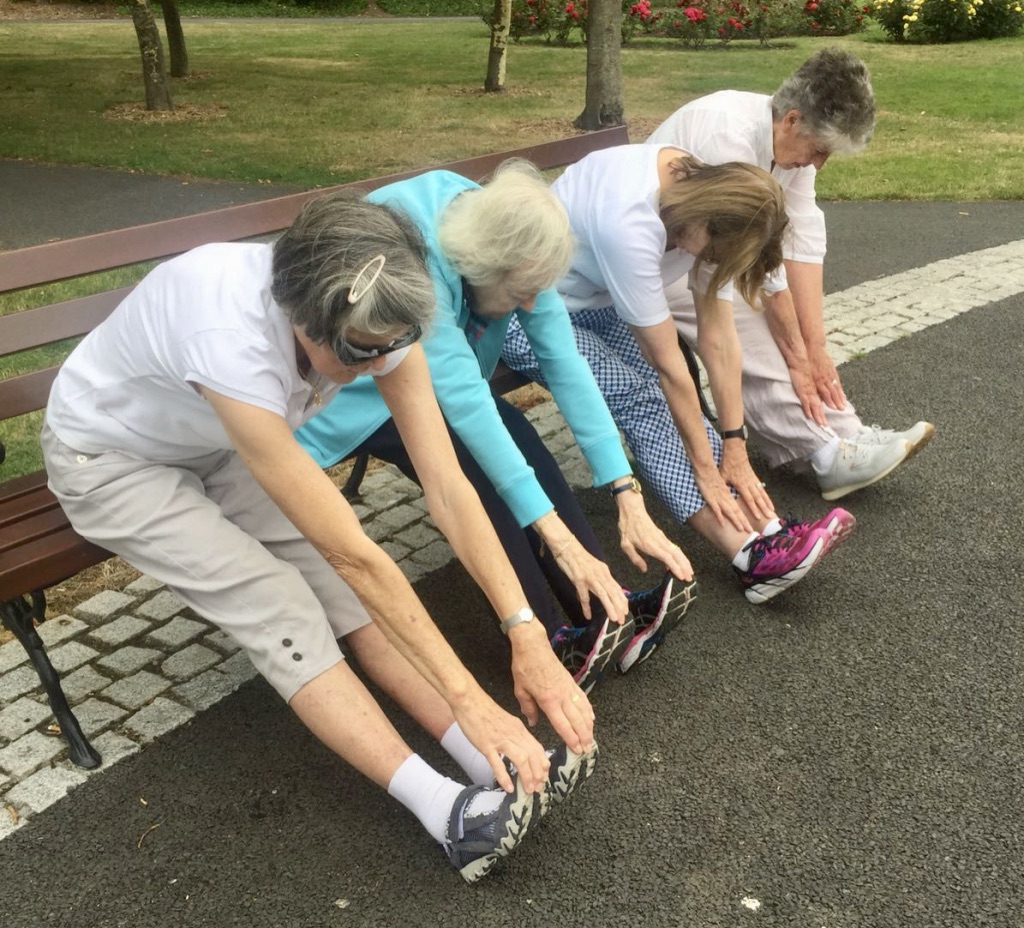
    With the faint feeling of spring right around the corner, it’s time to get outside and enjoy the nicer days. We are leaving winter behind us and getting ready for hopefully warmer and sunnier days. We get it, exercising in the winter can be difficult, but with the days getting longer and flowers blooming its time to go outdoors and enjoy Spring. For older adults exercising outdoors can be daunting, but the fresh air will help add a change to your life and refresh your want to exercise.

    In the study “Outdoor physical activity and self-rated health in older adults living in two regions of the U.S.” addresses the effect on older people exercising outside and the benefits they experience. The study found that people who exercise outside have a better and longer workout than those who work out inside. Exercising outside can be a short walk or even sitting in nature while doing any sort of movement. Improvements include help with vitamin D deficiency, reduced depression and increased bone health. Next time you are working on your exercises at home, try doing them in nature.

    How to find motivation?

    The best and easiest way to begin exercising is to find a friend. Making plans with other people to meet at the park or an exercise class will increase your motivation and help you stay dedicated. You are far less likely to cancel on your friend, but it is simple to cancel on yourself. There is always an excuse when you are by yourself but going with other people will make sure you are accountable. A friend can also be a furry friend. Walking your dog is plenty of exercise, they too will hold you accountable for your daily walk.

    Sometimes we all need a change. If you are feeling down from the winter blues, now is the time to change. By mixing your routine, you will find the motivation to keep exercising. If you like walking, try changing your route or scenery. Not all change has to be extreme, small changes here and there can be enough to find your motivation. By keeping your exercise routine diverse and varied you will not become as bored with your daily routine.

    Any form of exercising is better than nothing at all. For older adults exercising outdoors can make a change in your life, breathing some fresh air rejuvenating your mentality.

    You can also add a spring in your step and join a Siel Bleu class near you!

    ***Disclaimer: The information in this post is for reference only and is not intended to be a substitute for medical expertise or advice. If you have any concerns about your own or another’s health, then please contact your doctor.

  • Exercise and Non Communicable Diseases

    Exercise and Non Communicable Diseases

    WHO Release exercise toolkit to help prevent and manage Non Communicable Diseases.

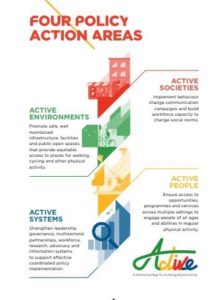
    Recently the World Health Organisation released a brand new initiative called Active: a  toolkit for countries to increase physical activity and reduce non-communicable diseases.

    What are non-communicable diseases (NCDs)?

    Diseases which cannot be transmitted from one person to another are called Non Communicable Diseases. The main examples include stroke, cardio vascular disease, cancer, diabetes and chronic lung disease. NCDs are driven primarily by four major risk factors

    • tobacco use
    • harmful use of alcohol
    • unhealthy diet
    • physical inactivity

    Worldwide NCDs account for about 70% of all deaths, however in Ireland in 2014, NCDs accounted for 88% of all deaths.

    The Let’s Be Active is an initiative set to use a very simple tool to help prevent and manage NCDs,exercise! Exercise is proven to help prevent people from contracting NCDs such as heart disease, stroke, diabetes, breast and colon cancer. However as we become more advanced technologically there is a decrease in physical activity levels. With improved transportation systems, increase in computer usage and urbanisation we are becoming less active and therefore increasing our risks of developing certain NCDs.

    The Let’s Be Active framework was developed as a response to a request from governments for updated guidelines for physical activity and feasible policy guidelines to help increase physical activity levels to help prevent and manage NCDs. The goals are to reduce physical inactivity by 10% by 2025 and by 15% by 2030. You can read more about the policy here.

    What can we do to help prevent or manage NCDs on an individual level?

    Increasing your own physical activity levels is a good place to start. For older adults the WHO recommends 150 minutes of physical activity per week. However it can be daunting to know what type of exercise to do or where you should turn to. Why not check out a few of our previous blog posts about exercise for older adults or motivating yourself to get active.

    You’re Never Too Old to Start Exercising 

    Taking the First Step to Exercise

    Motivating Yourself to Exercise

    At Siel Bleu, we also offer exercise programmes to help managed certain NCDs such as our award winning Exercise, COPD & Me programme, our Stroke Survivor Classes  and our work with Parkinson’s Ireland. Watch this space for a cancer programme coming 2019.