Category: Advice

  • Health and Social Care Professionals Day: Meet Our Trainers!

    Health and Social Care Professionals Day: Meet Our Trainers!

    March 4 is Health & Social Care Professionals Day! On this day, make sure you thank your local health and social care professionals for all the hard work they do helping people and the communities they live in. 

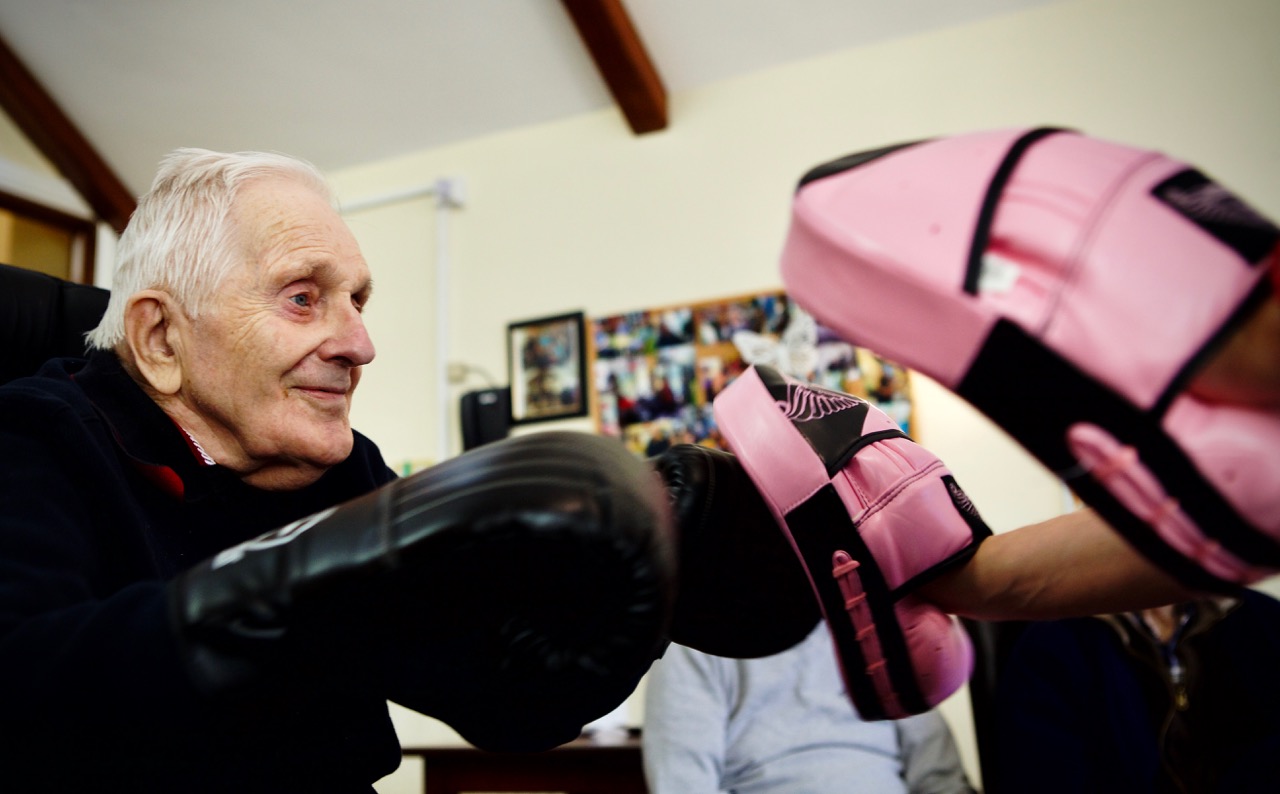
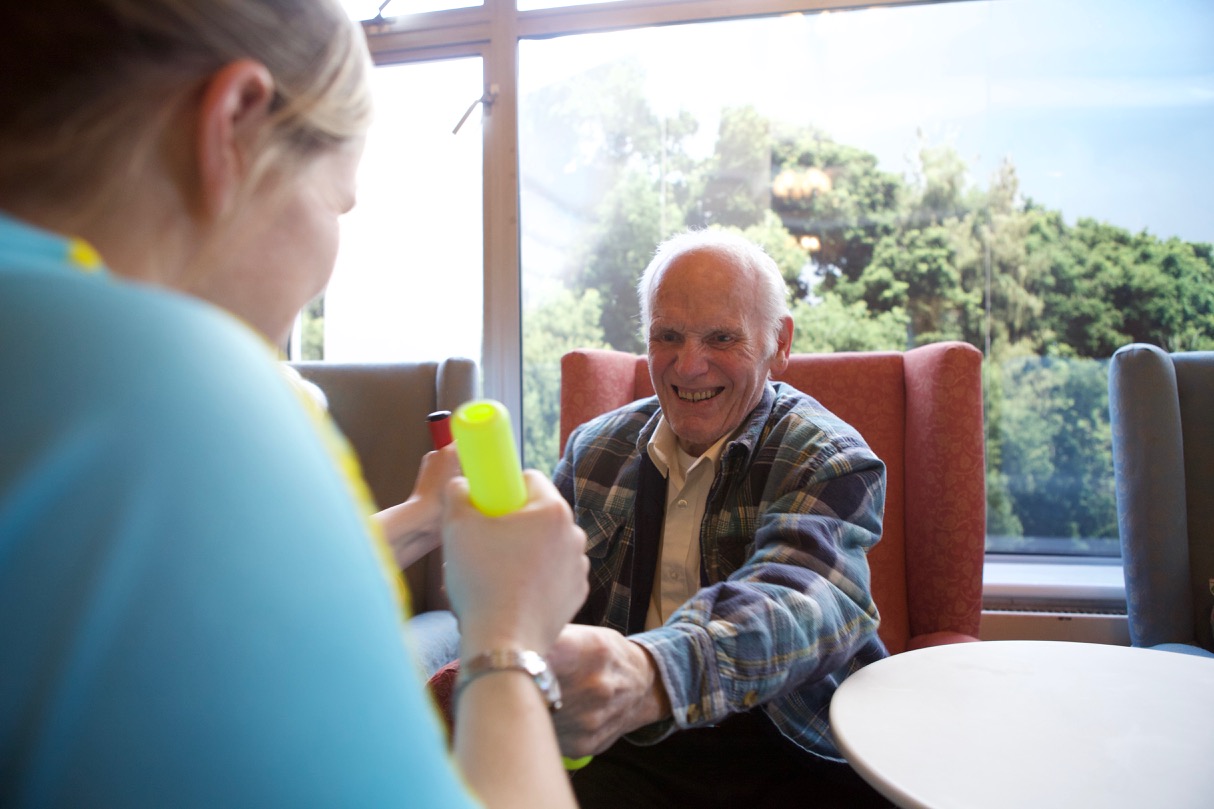
    To celebrate, we interviewed two members of our Siel Bleu Ireland staff, Aisling Warburton and Matt Naumczyk, about their experiences working at our organisation. Matt is a recently employed Physical Trainer in South Dublin, having just started a month ago, while Aisling who is based in the midlands will be completing her fourth year in April. Both are dedicated Physical Trainers who are fantastic at their job and we are very grateful to have them as part of our Siel Bleu Ireland team! 

    How did you come to work for Siel Bleu Ireland?

    Matt: Seeing the job offer for the position of physical trainer, and then going through the website. I liked the way that Siel Bleu has the people actually improve their lives and their quality, with the movements and their health and all the things around that. That was something I wanted to do for a long time, so I just applied for it straight away and I got it. 

    Aisling: I studied health science and promotion in college, so from that I knew I wanted to work in the area of physical activity and health promotion. But I didn’t want to do your general exercise class … by trying out different modules in college, I was interested in working with people with disabilities or chronic conditions or older adults. What you bring to the residents of nursing homes or people with chronic conditions was more rewarding.

    What classes do you teach?

    Matt: Pretty much a mixture of everything, but mostly nursing home programmes, the Exercise, COPD & Me programme and community groups. 

    Aisling: When I first started I was based in nursing homes, but now I have nursing homes, Exercise, COPD & Me groups, stroke support groups with the Irish Heart Foundation and active ageing community groups as well. 

    What would you say is your favourite part of the job?

    Matt: Just meeting new people and having a laugh, the craic. … It’s really enjoyable when you’re going through the community groups and you have the chance to have a laugh while you’re exercising and moving. So just the connection with people, the laughs and the banter. 

    Aisling: With my COPD and stroke support groups, I know that sometimes the class may be their only outing for the week. So it’s going to the group knowing that they look forward to it each week and they enjoy getting their exercise, as well as the different games and competitions. 

    Which exercises do you enjoy teaching the most?

    Matt: Probably the one to one’s. I try to add things in that would be useful for people but they may not have known it. For the community groups, for example, I’ve started lifting one leg and passing a ball around, which challenges your balance. … If you don’t have balance, you have a higher risk of falling — so it’s fun while you’re doing it, but it’s actually helping participants. I like the equipment as well. I suppose I don’t really have a favourite one; they all fit in somewhere. 

    Aisling: For me I suppose it varies from group to group. What I do for one group, I may have to change for another group. But it’s nice to push the group and get them up and doing things they think they can’t do, … seeing how happy they can be from doing those different movements and tasks again.

    Do you have a particularly memorable story from your time working with Siel Bleu so far?

    Matt: Probably the first day. … I got welcomed right from the front door, we had a laugh and that’s my first memory. Something fun happens pretty much every week at one of the classes — with the nursing homes, there’s always something — but the most memorable one so far was my first ever class and having a laugh.

    Aisling: Just this past month, I had a man who was very sick prior to Christmas and he found it really difficult to come back out and get into routine. … But when he came back into the group, he said he was better than ever after attending a doctor’s appointment, and he felt so good being back.

    What do you think makes Siel Bleu Ireland the organisation that it is?

    Matt: I think it’s the trainers and their willingness to help. … They always say “if you need any help, just drop a message.” They actually do mean it, because I’ve dropped others a message a few times they’ve always gotten back to me straight away with any questions or any tips. So I think it’s the people — and the culture around it as well, like the classes having a laugh and having communication with the people teaching. I think that, the people, is the most important thing.

    Aisling: Even though we’re bringing exercise classes to different groups, it’s also the social factor and building a relationship with participants. So we’re not going in and just putting them through the paces for an exercise class, we know the people in the group individually and we can relate to them and build a relationship. As I’m well aware, most trainers know each client by name, and I think that it’s important to have that relationship and work alongside them, rather than just going in and telling the person what to do.

    What would you say or what advice would you give to someone who is thinking about becoming a trainer at Siel Bleu Ireland?

    Matt: Just stay positive, keep smiling. … Sometimes if you’re working at a nursing home, you realise the kind of people there aren’t able to do some stuff. For your needs, once you’re out, just do something to get your mind off of it. And when you come back the next day, focus on class again. … Be the guy that they actually look forward to seeing each week, not the guy that they’re like “ugh, not him again,”. 

    Aisling: I’d say it’s so enjoyable and rewarding. Every group varies, so what you do one day versus what you do an hour later with a different group, or from week to week, is always changing. It’s really rewarding and you just have to be able to build a relationship and get to know the group personally.

  • How to Combat Sleep Disorders

    How to Combat Sleep Disorders

    Sleep is a vital aspect of leading a healthy life. Unfortunately, older adults do not always have the easiest time with having a full, peaceful night’s rest. The lack of sleep older adults experience may be due to a particular health issue, a medication they are taking, or possibly because they are anxious about ageing. Sleep disorders such as sleep apnea, insomnia, and snoring are very common among older adults and drastically interrupt the suggested seven to eight hours of sleep a night. 


    How can older adults take back their restful night’s sleep? 

    Here are some tips that may help: 

    1.Set a schedule. 

    Set an hour that you wake up every morning, eats meals, and go to bed.

    2. Exercise. 

    Commit to exercising 150 minutes a week. Check with your doctor to see what the intensity of your workout should be. Note that exercising in the earlier half of the day will be more beneficial because exercising at night may keep you up later.  

    3. Keep cool. 

    For the best sleep possible, keep your bedroom temperature on the cooler side. 

    4. Have a before bedtime routine. 

    Set a routine that relaxes you, such as reading or meditating. 

    5. Don’t try too hard to fall asleep. 

    If you are unable to fall asleep within 15 minutes, get out of bed and walk to another room to read or mediate for a little bit and try falling asleep again after that. However, do not turn on the tv or go on your computer. 

    6. Talk to your doctor. 

    Tell your doctor about your lack of sleep and perhaps he or she will inform it is a side effect of your medicine or a medical issue. 


    ***Disclaimer: The information in this post is for reference only and is not intended to be a substitute for medical expertise or advice. If you have any concerns about your own or another’s health then please contact your doctor. 


    Sources:

    http://sleepeducation.org/news/2013/08/07/sleep-and-growing-older

    https://www.webmd.com/sleep-disorders/features/do-seniors-need-less-sleep#2

    Sleep Changes in Older Adults

  • Tips for Positive Ageing

    Tips for Positive Ageing

    Siel Bleu Ireland’s trainer, Shane Lee, gives us 10 tips for ageing well in order to have great mental and physical health. Read about the tips below and try to implement them in your everyday life for the best results! 

    • Move

    Before thinking about a specific exercise routine, simply get up and move more. Do the things you enjoy, whether it’s walking, gardening or anything else that gets you up and moving. The couch may be the most dangerous item in the house!


    • Exercise

    Think of exercise as the world’s best drug to help you to retain your health and independence. Exercise helps to maintain bone density, prevent muscle loss and potentially reduce the risk of falls. There is no right or wrong exercise but maintaining strength and balance are particularly important for older adults. Why not try one of Siel Bleu’s Strength and Balance programmes?


    • Include Resistance (strength) Training

    Walking is great, but it may not be enough. Muscle wastage and loss of bone density (osteoporosis) may result in falls and ultimately loss of independence. You don’t need any special equipment for strength training – try using filled water bottles instead of buying weights.


    • Stay Connected

    Being socially isolated can damage our psychological health; as we age it’s important to have a good support network. Apart from the obvious link with depression, studies indicate there is a correlation between lack of social engagement and the risk of developing heart disease and other illnesses, so the message is: make the effort to get out and about and socialise!


    • Work Your Brain

    The brain will only stop learning if you stop challenging it. Like any other part of the body your brain needs stimulation. Try learning a new skill like taking up a new language. This can be just as important as the physical stimulation of exercise!


    • Sleep

    Don’t retire your body from routine and the restorative power of sleep! The body likes routine, so try to go to bed and get up at the same time every day. Think of sleep as your body’s chance to recharge and repair; without a full charge, it won’t run optimally. 

    • Nutrition

    Are you still consuming the same amount of food despite being less active? Or have you lost your appetite? Whichever is the case, try to follow a balanced and varied diet that includes fresh fruit and vegetables and some protein rich food for healthy muscles and bones. Dairy, healthy oils and whole grain foods all provide essential nutrients and minerals.

    • Set Goals

    Setting goals can be hugely motivational. Start your day with 3 small goals, such as climbing your stairs 10 times, and set one bigger goal for the week, such as completing a walk in the local park. Goals will give you accountability and allow you to measure progress. Plus, their completion will leave you feeling good about yourself!


    • Appropriate Activity

    I still meet people who are too cautious to take any exercise. We must be mindful of medical advice, but don’t accept being told to quietly sit down and do nothing. There is a level of physical activity out there for everyone, whatever their age or ability – focus on what you can do, not what you cannot do.


    • Manage Pain

    Pain isn’t a normal part of ageing or something you should have to endure. If something isn’t right with your body, fix it. Doctors, physiotherapists and other health professionals are there to help so consult them.


    ***Disclaimer: The information in this post is for reference only and is not intended to be a substitute for medical expertise or advice. If you have any concerns about your own or another’s health then please contact your doctor. 

  • Breast Cancer Awareness Month

    Breast Cancer Awareness Month

    Why is exercise so important for breast cancer survivors?

    October is Breast Cancer Awareness month and we want you and your loved ones to be breast aware. Breast cancer is the second most common cancer in women in Ireland, after skin cancer. It also has one of the highest rates of fatalities caused by cancer in women, second to lung cancer. Every year there are around 3,244 cases diagnosed in Ireland and 723 women die from the disease. For further break down, 1 in 9 Irish women will develop breast cancer and 1 in 1000 Irish males in their lifetimes. 


    Most of the women diagnosed with breast cancer are over 50 years old. However, one can be diagnosed at a younger age. In fact, 15% of women that are diagnosed are between 20 and 40 years old. Another 49% are diagnosed between 45-65 years old. The remaining 36% are diagnosed over the age of 65. It is important that you encourage the woman in your life to be aware of changes in their breasts and get mammograms as frequently as their doctors suggest. 


    The awareness of breast cancer and breast screenings in Ireland during recent years has increased the survival rate to 85% and decreased the mortality rate of breast cancer patients by 2%. These numbers are improvements from the past, but can be better. In combination with breast screenings and awareness, one can reduce the risk of developing breast cancer by diet, exercise, and control of alcohol consumption. Specifically, many studies have shown that an increase in exercising decreases one’s risk of developing breast cancer.  


    It is important that you and your loved ones take preventative action, but it is also important to support others and take care of yourself if you are diagnosed with breast cancer. Simple things, such as offering a humorous distraction or letting them know you are there for them, can help immensely.


    After women have finished treatment, it is essential that they are active in keeping the cancer away. The American Cancer Society recognises physical activity is vital to breast cancer survivors as increased activity can reduce cancer reoccurrence rates as well as increase survival rates. The American College of Sports Medicine researched the connection between breast cancer and exercise, and concluded that exercise is safe during and after all breast cancer treatments. However, one must take any needed precautions and keep the intensity low for practicing safety is necessary. The exercises you did prior to being diagnosed may not be the ones you should be doing post-treatment. The many benefits of exercise are improvements of physical functioning, quality of life, and cancer-related fatigue and depression. It also helps to strengthen muscles, lessens the risk bones will weaken, controls weight, and improves balance. Nutrition is also a huge component of feeling better after treatment. Proper eating habits have been shown to positively impact survivor’s health and improve their quality of life. 


    Here at Siel Bleu, we are aware of the benefits exercise can provide for survivors. This is why we developed the 14-week Empower! Programme. It was designed in partnership with the Irish Cancer Society and funded by Nutricia. It includes exercise and nutritional workshops to keep women fit after they’ve finished breast cancer treatment. The programme is being piloted in Dublin-South, Dublin-West, Kildare and Wicklow. We hope to have the results of the programme around January and look forward to sharing them with you!  


    ***Disclaimer: The information in this post is for reference only and is not intended to be a substitute for medical expertise or advice. If you have any concerns about your own or another’s health then please contact your doctor. 


    Sources:

    https://www.drinkaware.ie/latest/breast-cancer-awareness-month-2019-take-action-to-reduce-cancer-risk gclid=Cj0KCQjwl8XtBRDAARIsAKfwtxCs05mZkcyrDjtHamyg19MxGTk9wy6WWVC0oARmHVzgoryluDI8VSIaAknuEALw_wcB

    Facts and Figures

    https://www.cancer.org/latest-news/get-moving-to-help-reduce-your-risk-of-breast-cancer.html

    https://breastcancernow.org/information-support/facing-breast-cancer/living-beyond-breast-cancer/your-body/exercise-breast-cancer

    https://www.breastcancer.org/tips/exercise

  • How Often Should You Be Exercising Weekly?

    How Often Should You Be Exercising Weekly?


    Do you ever wonder how often you should be exercising? Do you feel as though you could be doing more? 


    The verdict is out for how much older adults aged 65 and older should be exercising a week. You should be aiming to accomplish 2 hour and 30 minutes of moderate aerobic activity weekly. Although this may seem intimidating, it is important to keep in mind that there are 168 hours in just one week. Therefore, these exercises can be divided into about 20 minutes a day 7 days a week, 30 minutes a day 5 days a week, or 50 minutes a day 3 days a week. Moderate aerobic exercises include activities such as pushing a lawn mower, cycling and most commonly used, walking. So you may already be exercising without realizing it! However, if you feel as though you can partake in vigorous aerobic exercise, such as running, an hour and 15 minutes weekly will yield the same benefits.


    In combination with the aerobic activities you choose, it is important to work on strengthening major muscles as well. The major muscles include legs, hips, back, abdomen, chest, shoulders and arms. Through strengthening exercises you can build and maintain strong bones, regulate blood sugar and blood pressure, and maintain a healthy weight. Your strength exercises should be done at least 2 times a week, but can be done more. However, strength training doesn’t need to mean just lifting weights! Alternatives can be as simple as carrying heavy loads of groceries, gardening or yoga. 


    Lastly, you should set aside time on 3 or more days a week to practice balancing. These balance exercises include activities such as holding onto a chair and trying to balance for 10 seconds on one foot. 


    Please note that you should only partake in exercises that suit you and you feel comfortable doing. Also note, the exercises should not be done in one large segment, but instead can be broken down to make the numbers less intimidating and more manageable.

    ***Disclaimer: The information in this post is for reference only and is not intended to be a substitute for medical expertise or advice. If you have any concerns about your own or another’s health then please contact your doctor. 

    Sources

    https://www.todaysgeriatricmedicine.com/news/ex_092210_03.shtml

    https://www.nhs.uk/live-well/exercise/physical-activity-guidelines-older-adults/#what-activities-strengthen-muscles

    https://www.heart.org/en/healthy-living/fitness/fitness-basics/balance-exercise

    http://www.allwayshomecare.org/best-exercises-older-adults/

  • 5 Tips for Your Mental Health

    5 Tips for Your Mental Health

    Today’s special awareness as “World Mental Health Day” reminds us of the importance of ageing well. One’s physical and mental health are connected and therefore we must take care of them both. The Canadian Mental Health Association is just one of the many associations that tells of link between physical and mental health. We have gathered 5 tips that will help you nourish your mental health as you age:

    1. Exercise

    After learning of the link between physical and mental health, it is no surprise that exercise is a vital part of keeping one’s mental health in check. Exercise of any form, even a 30 minute walk around the neighborhood, is incredibly beneficial. The more active you are, the happier you will be

    2. Be Mindful

    Taking 5 to 10 minutes to oneself a day can be life-altering for one’s mental state. It is important to reflect on your emotions and your day. This can be done through 5 to 10 minutes of silence and breathing exercises or through journaling what you are thinking.

    3. Connect

    Staying connected to your family, friends, and communities is essential for your mental health. In these relationships, we can find a purpose for our lives. A study shows that people with adequate social relationships were 50% more likely to live longer.

    4. Eat Well

    Nutrition of our bodies feeds into the nutrition of our minds. What you feed your body will have a direct impact on how you feel. If you eat unhealthy, you may feel dreary and uncomfortable. However, if you feed your body with the right nutrients you will have more energy and happiness.

    5. Laugh

    Laughing is the best medicine! Try to find joy in as many situations as you can. Many health benefits come from a good laugh, one being balance between your body and your mind.

  • Benefits of Group Exercise for Seniors

    Benefits of Group Exercise for Seniors

    When we start working out we all have the best intentions. We start out excited and, motivated to reach our goals. The first couple of weeks we are crossing off the days on the calendar, feeling proud that we are getting in our exercises. After a few weeks, we are seeing progress and, the drive to keep going is still strong.

    Now, some months have gone by and, the momentum has slowed down. We have missed workouts here and there, the exercise routine is getting boring, and the incentive to keep going is dwindling away. Many of us have found ourselves in this position before, and it is difficult to pull ourselves out of this rut. However, one way to gain ambition again is through group workouts! Anyone can benefit from this style of exercise, yet it has been shown that seniors especially find it advantageous.

    The first, and most evident benefit from exercises classes is that it encourages seniors to get out of the house more. When we retire many of us find ourselves feeling lost because, our everyday routine now has changed forever. It is important during this time to search for things that make us feel productive again.

    Group exercise classes allow elderly people to have something to look forward to once or twice a week, as it is scheduled at the same time. Also, just like work, exercising gives us a purpose, because we are constantly working towards a goal of some kind and, fostering a sense of accomplishment. Particularly in exercise classes, it is designed to provide focused, gradual progression so that we can work toward higher goals in a safe, healthy, and effective way.

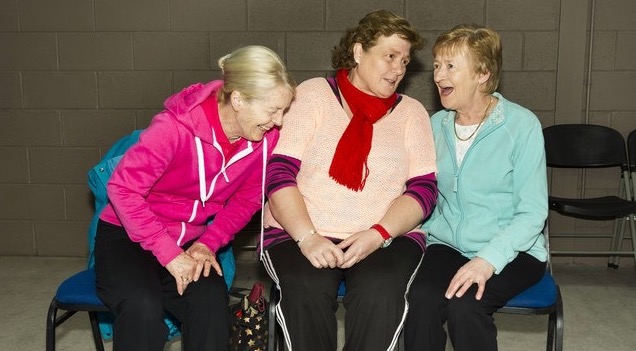
    Additionally exercise classes provide social opportunities for seniors. More seniors are reporting feelings of depression, loneliness, and isolation.  Yet, group exercise classes are a great way to help older adults to attain friendships, and interact with others their own age. By doing this, we are not only improving our bodies physically, but mentally. Having relationships with people is just as important to living a long life as exercise is.

    On top of that, by making friendships within the exercise class we have a built in accountability system. This increases the chances of getting out, and participating so that we can experience the maximum benefits associated with being active. It has been demonstrated that those who exercise in a group setting are more likely to push themselves harder in their workouts than those who exercise on their own.

    To display this point even further, a study was done in 2016 with 26 older adults ranging in ages 66 to 86, where they measured the benefits of group exercise. They found that, even though participants perceived they were aging physically, and cognitively, regular group exercise helped them to improve or maintain their functional health and enjoy their lives. Also, they felt socially connected and experienced a sense of security in the community through caring for others, and supporting each other.

    All in all, group exercise classes provide a plethora of proven benefits. Whether it be for the accountability, friendships, physical aspect, or feeling a sense of accomplishment again. The majority of the services Siel Bleu provides are group classes, where people of all walks of life, and abilities come together for a hour to exercise. Even though everyone comes, and stays in the classes for different reasons, they all would agree they are better for it.


    For more information on Siel Bleu classes: https://www.sielbleu.ie/home/programmes/


    Sources:

    https://bmcgeriatr.biomedcentral.com/articles/10.1186/s12877-017-0584-

    https://www.senioradvice.com

    www.sonashomehealth.com


  • The Importance of Aerobic Training for Senior Fitness

    The Importance of Aerobic Training for Senior Fitness

    We talk a lot about strength training exercises, and the advantages it presents for older adults. Yet, what about aerobic training? Aerobic exercise, also known as cardiovascular exercise (cardio), is a brisk exercise that promotes circulation of oxygen through the blood, and is associated with an increased rate of breathing. In other words, it is low to moderate intensity exercises that can be done consistently without stopping where you are able to still hold a conversation, whereas anaerobic exercise you cannot.  Some examples include quick walking, biking, jogging, hiking, etc. As children, many people can remember doing these things with their friends, or family during their play time. Yet, as we get older we tend to stop doing aerobic exercise as it is no longer a priority and can be missing the vast benefits it holds.

    Working aerobic exercise into a fitness routine for an older person has a big impact on the health of your lungs, heart, and overall bodily functions. During aerobic exercise, we breathe faster, and more deeply, increasing blood flow, and circulation throughout our body. This is important as it helps reduce unpleasant symptoms, such as pain, muscle cramps, numbness, digestive issues, and coldness in the hands, or feet.


    Doing this type of workout regularly allows the entire pulmonary system to increase the amount of oxygen that the lungs can handle, toning the lungs, and the heart. By strengthening the heart, we are lowering our resting heart, and increasing our stamina. This means that our heart does not have to work as hard when doing day to day activities. On top of that, it aides in warding off viral illness by activating, and boosting our immune system, making us less susceptible to viruses like the flu. Not only does aerobic exercise help our physical well being, but it assists with our emotional state of mind. When participating in this type of exercise, we release something called endorphins, also known as happy hormones. When released, they promote an increased sense of happiness, as well as help with reducing pain.

    Now with all this information, how do we put it into practice? The recommended amount of exercise for older adults is 150 minutes a week with a mix of cardio, and strength. An example of this is doing one strength training workout for 60 minutes, such as a Siel Bleu exercise class, and three aerobic training sessions such as a brisk walk for 35 minutes at a time. Remember, aerobic training is not a vigorous workout, and the intensity should be done at a rate where a conversation can be held. All in all, it does not matter what type of cardio is done, but that it is done consistently, and it is something that is enjoyable. So, walk, bike, swim, and reap the many benefits of aerobic training!


    For more information on Siel Bleu programmes: https://www.sielbleu.ie/home/programmes/


    Sources:

    https://www.healthline.com/nutrition/foods-that-increase-blood-flow

    https://www.mayoclinic.org/healthy-lifestyle/fitness/in-depth/aerobic-exercise/art-20045541

    https://www.medicinenet.com/script/main/art.asp?articlekey=10182

    https://www.medicalguardian.com/medical-alert-blog/fitness/the-importance-of-aerobic-exercise-for-seniors

  • Maintaining Independence Through Exercise

    Maintaining Independence Through Exercise

    When we are younger, we are dependent on our family, teachers, and peers. During that period, we dream of the days of becoming independent, and being able to be on our own.  After that day finally comes, we think we will never lose it and we can stay that way forever. Unfortunately, as we age it becomes more difficult to maintain our independence. A high percentage of people can end up in assisted living, nursing homes, or completely wheelchair bound. Yet, what if there was a way to stay independent longer? Through exercise, and staying active, it has been shown that older adults are capable of keeping their abilities for a prolonged period of time.

    Independence can be defined as the ability to perform basic activities of daily living without help, such as walking, eating, bathing/showering, dressing, getting in and out of bed, and using the toilet. Walking without assistance is probably the one that most determines if a person can live independently. Older people who are physically more active and who exercise frequently are more likely to walk independently and do other activities of daily living on their own, compared to sedentary elders. The reason why walking is a determining factor is due to the risk of falling.

    Falls are the third leading cause of chronic disability, and the number one injury among seniors. However, it has been shown that elderly adults who perform regular exercise have increased balance, stability, and strength. Also, in the event of a fall, those who are continuously active have been shown to have improved healing and function.

    Health is defined as the state of being free from illness, or injury. According to the National Institute of Ageing, exercising as a senior may delay or even prevent diseases like diabetes, cancer, stroke, heart disease and osteoporosis, just to name a few. This means less hospital stays, fewer days of being bed ridden, and preserving your strength.

    To demonstrate this further, they took a survey of close to 3,000 participants who were older than 60 years old. Through this, they found that those who participated in continuous physical activity were associated with lower levels of activities of daily living dependency (ACL). Likewise it was revealed that  for elderly patients who already have some functional limitations, even a low level of physical activity is essential as is slows further decline in physical functioning.

    Being independent is not only having the capability to perform basic actions, but having the ability to live your life to the fullest. It’s about playing with your grandchildren, going out for walks with friends, or taking a holiday without barriers or obstacles. Dr. Nick Cavill, a health promotion consultant, conveys, “As people get older, their bodies decline in function and physical activity helps to slow that decline,” he goes on to say, “If you want to stay pain-free, reduce your risk of mental illness, and be able to go out, and stay independent well into old age, you’re advised to keep moving.”

    All things considered, exercise is the easiest, and most cost effective way to maintain independence into our older years. We cannot not let our lack of activity, lead to our loss of independence. Remember, we do not have control over our age but, we do have control over how we age.

    For more information on the classes we provide, please check out: https://www.sielbleu.ie/home/programmes/


    Sources: 

    https://www.gmjournal.co.uk/media/21715/oct2010p539.pdf

    https://www.asccare.com/importance-exercise-seniors/

    https://www.nhs.uk/live-well/exercise/exercise-as-you-get-older/

    https://www.cdc.gov/nccdphp/sgr/olderad.htm

    https://www.health.harvard.edu/blog/walking-exercise-helps-seniors-stay-mobile-independent-201405287173


  • Keeping Your Confidence

    Keeping Your Confidence

    Stay and Boost Confidence in Yourself

    Gaining confidence is like a rollercoaster throughout our lives. Usually, it starts off a bit low but then as we start getting older it reaches its peak. Around the age of 55 to 65 is when we are the most confident in ourselves. However, around the age of retirement, our confidence can start to decline. To keep self-esteem high requires constant attention and motivation. This does not change when we age. We have a few ways to help older adults’ confidence.

    WAYS TO KEEP YOUR CONFIDENCE:

    Hang Out with Friends or Your Furry Friends

    We have talked about the numerous benefits of having a friend (it can be a furry friend). But did you know that having someone to spend time with can boost your self-esteem? Loneliness is a common symptom of ageing. We recently wrote a blog post on how to combat loneliness. Nevertheless, exercising with other people is just one way to decrease the feeling of loneliness, you can also try setting up and weekly stop at a café with a friend or just seeing friends throughout the week can help increase your confidence.

    Take Care of Yourself

    Unsurprisingly taking care of yourself can help older adults’ confidence. If you feel good about yourself, you will increase your self-esteem and confidence. There is more to taking care of yourself than exercise. Good hygiene, a healthy diet and regular consistent exercise all contribute to your overall health. Find something that you enjoy doing regularly that has some exercise aspect to it and you will find it much easier to take care of yourself.

    Learn Something New

    No one wants to live a boring life. Staying active and interested in the world we live can add to our lives. Make it a goal every day to learn or try something new every day. It can be as simple as trying new food, walking a different route or reading a new book.

    Ignore The Negative Stereotypes

    People are always telling older adults what they can and cannot do. You know what you are capable of, so listen to yourself and your body. If you feel like you are up for a harder workout try it if you feel like you are a bit sorer and stiffer than normal take it easy. You know what is best for you so kick those stereotypes to the curb. If you believe in yourself that’s all that matter, you will see your self-confidence skyrocket.

    Self-esteem and self-confidence and hard to keep high. With a good support system around you, taking care of yourself, always trying to push yourself and squashing stereotypes you will find your self-confidence to stay high.