Month: July 2018

  • Taking the First Step to Start Exercising

    Taking the First Step to Start Exercising

    How to motivate yourself to start exercising.

    How do I motivate myself to start exercising? We can be full of excuses when it comes to not exercising and at Siel Bleu Ireland, we have heard them all.  From “I have a bad back” to “I can’t, I’m too old and afraid of breaking a hip”, but we know, the most dangerous exercise you can do is no exercise at all! You are even more likely to fall if you are not practicing regular, appropriate exercise. The common phrase, “Use it or lose it” is particularly applicable to exercise. Take an engine for example, if you don’t start it for a long period of time it looses it’s ability to function well. Our bodies are exactly the same. This is why exercise, at all stages of our lives is very important.

    There are so many reasons to start exercising, from improvements in your physical function, better mood and sleep patterns, increases in confidence and of course, overall better health. But taking the first step to actually start exercising can be quite daunting for a lot of people, especially older adults who perhaps have never exercised before. Gyms can seem like intimidating and scary places or you might not feel like you’re “bendy” enough for a yoga class. So where to start?

    1. Consult your GP – As an older adult, one of the best things to do is consult with your doctor first to see if there is any reason you shouldn’t practice physical activity. Your GP knows you and your medical history best, so consulting with them about an appropriate activity makes the most sense.
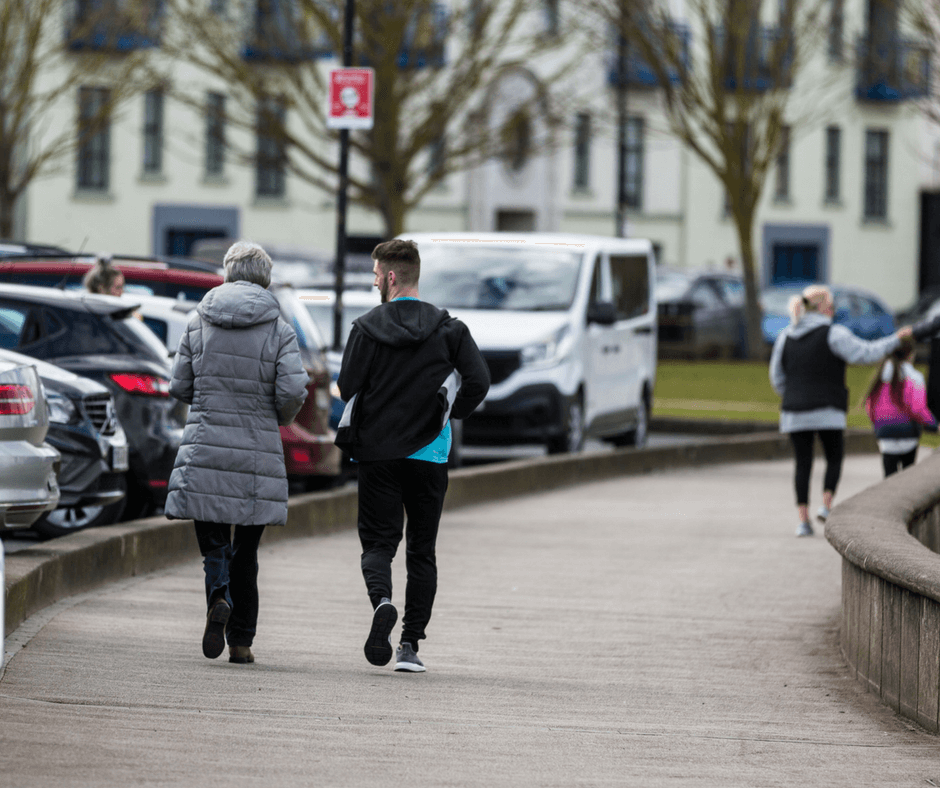
    2. Take the first step – With the go ahead from your GP, the next step is to find an activity that you like. Perhaps trying a low intensity exercise could be the gateway to a new fitter, healthier you. Try walking or swimming  to start with, both are easier on your joints and can help to improve your overall cardiovascular fitness.
    3. Try out different activities – why not try an exercise class designed for your age group or your specific condition. There are so many classes available for people of all ages and most Patient Organisations have an exercise programme designed specifically for people living with that condition. Siel Bleu Ireland has a list of classes which you can join at any time. Classes like Siel Bleu or an aqua aerobics class can help introduce you to resistance training, which along with cardiovascular exercise are the key combination to a healthier you.
    4. Create a habit – it takes 28 days to adopt a new habit and exercise should be one of your main priorities. Schedule physical activity into your diary when you know you don’t typically have another appointment i.e. Tuesday mornings and Thursday evenings. This way you know each week you know when your exercise is scheduled.
    5. Exercise with other people – find out what type of activities your friends and family like to do and ask them can you join in. You could try a walking group where you might meet some new friends. Get Ireland Walking is a wealth of information. If a friend asks you to do something during your scheduled exercise time, you can suggest doing something physical, such as going for a walk or trying a new class together. Exercising with other people also creates accountability and you are more likely to keep up with your new habit.
    6. Little at a time – it’s important to introduce exercise in small doses, there is no need to overhaul your entire life in one week. Small changes are easier to keep up with and you are more likely to keep up with small changes than big ones. Try doing some activities from our At Home Guide while watching TV and you will be surprised how big an impact a little change can make. If you feel comfortable after a few weeks with one activity then try introducing another walking day or another class.
    7. Most important – have fun! There is no point in exercising if you are not enjoying it and let’s face it, you probably won’t keep it up. Exercise can be seen as a chore, but once you find something you enjoy, you’ve found the key!

    Why not comment down below and tell us how you intend to take your first step!


  • Siel Bleu Ireland – Part 2 Frequently Asked Questions

    Siel Bleu Ireland – Part 2 Frequently Asked Questions

    Siel Bleu Ireland – Part 2 FAQ about Exercise for older people

    A few weeks ago we shared some frequently asked questions our trainers receive from our participants and from the public about our programmes and about exercise for older adults.  We would now like to share Part 2 with you. Watch the video below as two of our trainers Craig and Shane answer more FAQ about exercise for older adults…

    If you have any other questions you’d like to be answered, pop them into the comments box below.

    Interested in exercising at home? Why not try our At Home Guides, 3 exercise videos designed specifically for older adults, delivered right to your inbox – sign up to our newsletter and then start exercising! Get the At Home Guides Here 

  • Hydrate To Be Great!

    Hydrate To Be Great!

    Staying Hydrated: Tips and Tricks

    Summer is here! What a perfect time to spend some time in the sun, enjoy the heat, and drink a TON of water! We all know water is a vital to our overall health so how come when the weather gets nice and our bodies require more water than usual, do we tend to drink less?

    Like we mentioned above, water is an essential part to living, but we often don’t think about exactly how much we need to drink to stay hydrated and what the side effects are if we don’t. The recommended amount of water for an adult is around 1.5-2 liters a day. That sounds like a lot when you first think about it but if you break it down glass by glass throughout the day it is much more manageable, and our body will thank you for it. It is important to remember though, that with the higher temperatures and increased exercise that summer brings, your body needs more water than usual to stay fully hydrated.

    Older adults and seniors do not feel thirsty as frequently as those younger than them[1]. This is problematic because it makes it much easier to become dehydrated as an adult. Dehydration results in dangerous symptoms such as weakness, low blood pressure, dizziness, and confusion. The risk can be exacerbated by certain diuretic medications as well. Additionally, as the kidneys age they become less efficient at eliminating water in the body, meaning it is vital that you don’t drink your entire days’ worth of water at once[2]. Eating water-rich foods such as watermelon, strawberries, and celery will also help keep you hydrated in between your glasses of water. The fact that they taste good and are good for you is an added bonus!

    In most cases the best way to hydrate is by just drinking regular water. There is a bit of a misconception about sports drinks these days. Yes, most of them replenish electrolytes lost through sweat and exercise but they also contain large amounts of sugar and sodium. While they market themselves as healthy they don’t actually help too much with hydration. Sports drinks high in electrolytes are vital for professionals and serious athletes though those who participate in moderate exercise need them as well just not in as a high a quantity. Treating yourself to a sports drink every now and then is alright but consistently having one after a workout or a good sweat just undoes all of the progress you previously achieved with the overload on sugar and salt.

    If you are struggling to drink enough water, here are a few tips:

    1. Carry a water bottle around with you. You are more likely to drink water if you have one handy.
    2. If you really like sports drinks, consider putting some fresh fruit in your water to mimic the flavor without the unhealthy levels of sodium and sugar. Cucumbers, strawberries, raspberries, melon, citrus, and mint can all spruce up your water to make it a healthy, sweet treat.
    3. Eating water rich foods helps keep your hydration levels up but should not replace actually drinking water. Soups and fruits are especially helpful though if you need some extra liquid..
    4. Count the tea you drink! But be careful, caffeine is diuretic  so think about the caffeine content in the drink before counting it towards your daily water intake.
    5. Make a daily water goal and keep track of it, whether on a pad of paper, a marked water bottle, or an app on your phone. Giving yourself a daily helps keep the thought of staying hydrated in the forefront of your mind.

    If you make it a priority to drink plenty of water throughout the day you will feel better, both physically and mentally, and will likely notice increased energy levels as well. So, next time yo leave the house don’t forget to grab a water bottle and stay hydrated!


    **This article is as a guide only, if you are restricted from fluids as per doctor instructions please consult with them for advice on water consumption through the summer months.


    [1] https://www.health.harvard.edu/staying-healthy/the-importance-of-staying-hydrated

    [2] https://www.health.harvard.edu/staying-healthy/the-importance-of-staying-hydrated